
Holy Living
There is a darkness descending upon the world that is like a cancer spreading in the body. As it grows, it begins to rot and fester. The goal of the cancer is to destroy the healthy cells and replace them with malignant tumors, even if it causes the death of its host. This is an illustration of sin and its effect in the world. Unrepentant sin produces evil and wickedness which spreads and corrupts everything it touches. Without the intervention of the atoning sacrifice of Christ through the faith of the believer–sin will lead to the spiritual death of the host. This darkness which is expressed through wickedness becomes so vile that it oppresses the spirits of both believers and unbelievers. The wicked are manipulated by dark forces to increase their rebellion against God by spreading chaos, immorality, and ungodliness by every means possible. In response, people feel a need of cleansing from the blatant depravity through a deliverance from evil. What they desire is to flee wickedness and pursue righteousness as presented in 1Tim. 6:11, “But flee from these things, you man of God, and pursue righteousness, godliness, faith, love, perseverance and gentleness.”
The pollution of a wicked world results in ungodly living by those who embrace the darkness and who delight in the pursuit of sinful desires. The antidote against this is seeking holiness through godly living. This has been the pattern throughout the ages. It is the eternal drama of good versus evil. Throughout history, villages, towns, and communities have been overrun with wickedness which leads to the people turning to the good which returns peace, order, and lawfulness. The turning away from sin has usually been preceded by the preaching of the Word leading to repentance–And this is what is needed now. Obedience to the Word of God brings godly living to those who desire it. The lives of godly men and women from prior generations can serve as examples of godly living to be used as a guide. While there are many to choose from, the Puritans are a good example to follow because they lived not that long ago, and they left behind many of their writings for our instruction. This is the purpose of this article, to present the wisdom of the Puritans in regard to holy living(piety) to a new generation of believers. As our current generation struggles against the influence of an ungodly society, we are directed by scripture to be holy as God is holy and to lead lives of godliness.

The question in people’s minds now may be, “what exactly is holy living?” Holy living is a fundamental concept in Christian faith, emphasizing a lifestyle that reflects God’s character and commands. Holy living involves participating in spiritual practices such as the sacraments, bible reading, charity, prayer, and corporate worship(church), which help believers grow into their identity as God’s people. This concept extends to all areas of life, including family, work, recreation, and faith. Every interaction with others should include the command to “love your neighbor as yourself.” It serves as a powerful means of evangelism, with believers’ actions and lifestyles communicating the truth of a loving and patient God. Jesus is presented as the ultimate example of holy living, demonstrating a holiness that was above and beyond the standard. This holy lifestyle is meant to inspire others to seek God, and to pursue righteousness.
Holy Living According to the Puritans

Mob violence was a routine hazard for open-air preachers in the 18th century. Attacks were often incited by local gentry and clergy. In the summer of 1743 John Wesley arrived in the West Midlands to give his support amidst the persecution of Methodists. It was on 20 October 1743 that he faced the Wednesbury rioters. He sought protection from local magistrates and barely escaped with his life. During the riots windows were broken, property was damaged, money stolen, and local Methodists abused and beaten with clubs. After the mobbing there were charges brought against Methodists to say they had instigated the violence.
Throughout the history of the Church there have been times of great revival and awakenings to the teachings of God, and there have been times of great apostasy where generations of people have moved away from the faith and turn to lives of ungodliness. Another way to express it is that they became a faithless generation. I, and many others, believe that we are currently in a time of apostasy where many have moved away from the faith and continue to do so. This is what we share with the Puritans. They lived in a time of great turmoil where violence, drunkenness, and immorality were the problems brought upon society by a faithless generation. What was needed was a revival, and the Puritans undertook this endeavor under great persecution and personal injury to themselves. History records that during the Puritan movement they were persecuted by government forces who used policies intended to destroy them. The Puritans protested and refused to comply with these policies and as a result over two-thousand pastors were ejected from their ministries, and another twenty thousand were imprisoned. This included the famous Puritan, John Bunyan, who spent twelve years in prison for illegal preaching. Along with these obstacles, they were physically attacked and harassed by mobs of anti-Puritan foes and other assorted drunken and violent persons typical of rowdy 17th and 18th century England as they traveled to forsaken places to preach in order to bring revival. This is illustrated in the image above depicting the attack on John Wesley. In spite of these hostilities against them, they endured because of their vision to bring further reformation to the Church in order to purify it in conformity with the Word of God. This is the origin of their name, Puritans, because the purpose of their movement was purity.
We see a connection between these current times and the times of the Puritans. The Church of that time faced many challenges as does the Church of our time. There is an aspect of the Puritan movement that is the focus of this article, and that is their lives of piety. Their pursuit of godly living which set them apart from the surrounding immorality and unrighteousness is a model to be imitated. The piety of the Puritans defined them as people of strict moral principles which some believed was extreme and led to the definition of the word “puritanical.” We must consider that to those who were engaged in various activities of ungodly behavior, any group who opposed them and followed a rigid code of religious conduct would be the target of ridicule. The same can be said of strict bible believing communities today. They are considered as narrow minded, hateful, and intolerant bigots. To stand firm on the commands and teachings of God as plainly stated in scripture, and to strive to be holy as God is holy, is to invite hatred and persecution from the sexual immoral communities and opponents of Biblical Christianity. And just as the government persecuted the Puritans for their beliefs, governments in several nations persecute vocal Christians by legislating some of their beliefs as hate crimes. This is current law in Canada, the United Kingdom, and some countries in Europe, as experienced by Christians who have been arrested for praying in front of abortion clinics.
The Puritans stood their ground and continued to preach the Word of God and to live exceptional lives of godliness. Their standard for holy living was quite high but Scripture was their guidebook and God was their judge, so their moral principles were indeed uncompromising. In this sense, we may find it difficult to conform to the standards of the Puritans, but we sure can use them as exemplars of holy living. For example, we can follow the three areas that guided their religious lives: the New Testament pattern of personal piety, sound doctrine, and a properly ordered church life. Additional traits of the Puritans that can be imitated include their strong connection with God which influenced their worldview, their system of belief in reformed orthodoxy, and their commitment to high academic standards. The Puritans were highly educated men who were regarded for their vast knowledge of scripture. They were referred to as “walking bibles,” which is displayed by their writings. The academic standards of the time were high as they were trained in grammar, rhetoric, logic, Greek, and Latin. The Puritan pastors were expected to be master teachers of theology, passing on their teachings to their congregations. (These pastors would be shocked to learn that one of the greatest problems in the modern Church is biblical illiteracy). With these high standards and devotion to piety we can clearly see how we can learn from the Puritans as guides for holy living. They would have considered Matthew 5:14, (below), as their Mission Statement. They viewed themselves as Christ’s representatives on the earth to continue His mission of being the Light of the World, a holy city set apart from others; in order to display God’s Kingdom of Light in contrast to the cities of the Kingdom of Darkness. The faithful Church today should likewise endeavor to be God’s Kingdom of Light shining a light of purity upon the surrounding community lost in the darkness of depravity.

Closing Thoughts
An introduction to the Puritans and their qualifications as guides for holy living has been presented. This article is intended to assist believers to live according to God’s will. In the face of growing wickedness, it is crucial to return to the scriptures for guidelines on godly living. The Puritans have already traveled this road and have left behind much of their wisdom and teachings for us to learn from.
Here is an example of Puritan wisdom for holy living: “The scriptures teach us the best way of living, the noblest way of suffering, and the most comfortable way of dying.” (John Flavel)
Purpose for Holy Living
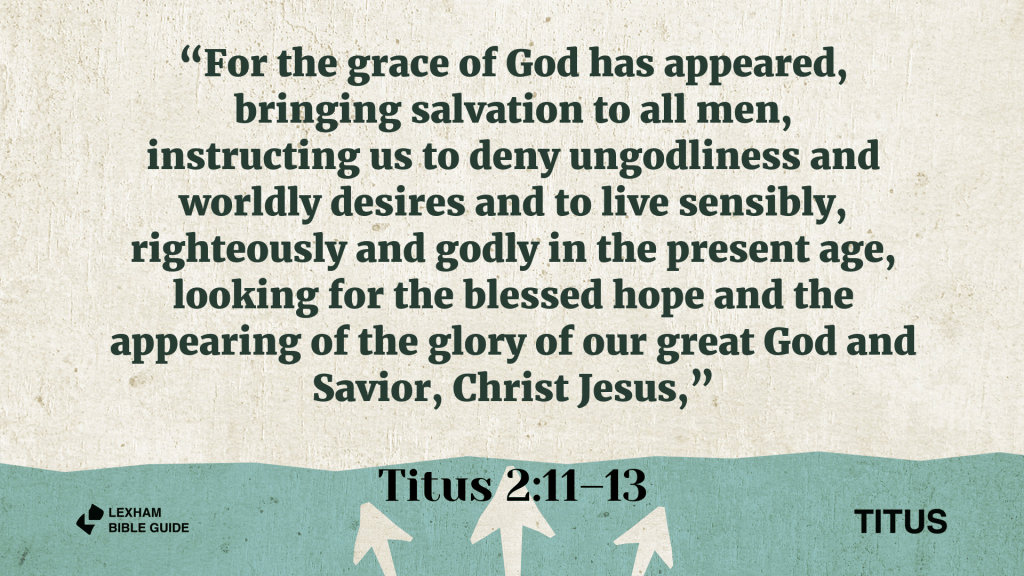
Having received salvation through the grace of God, believers are instructed to deny the ungodliness that is embraced by the pagan world, and to set themselves apart to live righteous and godly lives reflecting the holiness of God.
The Result of Holy Living
“who gave himself for us to redeem us from all wickedness and to purify for himself a people that are his very own, eager to do what is good.”
Titus 2:14
 Hosea 4:6 Teaching Ministry
Leave a comment