
“Be gracious to me, O LORD, for I am in distress; My eye is wasted away from grief, my soul and my body also. For my life is spent with sorrow And my years with sighing; My strength has failed because of my iniquity, And my body has wasted away.”
Introduction to the Psalms
The book of Psalms is a collection of hymns, or sacred songs that give praise to God. These are poems that are accompanied by music. “They are also understood as a series of poetic messages between God and His people who express their heartfelt feelings as they give thanks, praise, and admiration for His blessings and favor.“1 The heart of the psalms is the relationship between God and mankind. The authors of the psalms are expressing their deepest feelings and emotions as they experience life with all of its joys, wonders, hardships, and dangers. They put their thoughts and feelings into poetic words as they directed them to the Lord.
The psalms are a book about God in relation to His people and it differs from the other books of the Bible because the verses in this book are not just God’s words to man, they are also man’s words to God. The psalmists are the people of God, speaking to God. They speak about their relationship with Him and the important matters that life has brought upon them, both good and bad. Through the words of the psalmists, all people can see and relate to the same circumstances that also affect their lives. The poetic messages of the psalmists are meant as instruction in relating to God, and as spiritual wisdom on which to mediate on. The wisdom presented in the psalms originates from its theme statement, “God, the true and glorious King, is worthy of all praise, thanksgiving, and confidence.” Mankind, in his relationship to this glorious King is to approach Him with due honor and respect, but also to come to Him as their King with all of their concerns, issues, and complaints. Though He is great and majestic, He presents Himself to believers as their loving father who desires a deep and personal relationship with them. The following quotes from the church fathers Athanasius and Ambrose provide wise insights into the value of the psalms in the life of Christians.
“I believe that a man can find nothing more glorious than these Psalms; for they embrace the whole life of man, the affections of his mind, and the motions of his soul. To praise and glorify God, he can select a psalm suited to every occasion, and thus will find that they were written for him.” (Athanasius)
“The Law instructs, history informs, prophecy predicts, correction censures, and morals exhort. In the book of Psalms you find all of these, as well as a remedy for the salvation of the soul. The Psalter deserves to be called the praise of God, the glory of man, the voice of the church, and the most beneficial confession of faith.” (Ambrose)
David and the other authors of the psalms were humans who lived through the joys and heartbreaks that every person experiences. They struggled with these emotions and expressed them to God in the form of poetic compositions. Their relationship with God was intimately close which enabled them to communicate with Him with the deepest emotions of their hearts. They grieved and pleaded for help in times of trouble and sorrow. They gave praise and thanksgiving in times of joy and blessing. And they gave their complaints and laments during their “Dark Nights of the Soul,” when life’s circumstances overwhelmed their ability to cope with them, and God seemed distant. The psalms collected in this book were inspired so that they would present future generations the proper way to address God with their own issues and praises. Persons today, and throughout history experience the same emotions as the ancient authors of the psalms did, and they can derive comfort and instruction from their poetic words as they bring them to the Lord. Below are just some of the issues of life that are found in the psalms.
| Joy | Pain | Protection | Betrayal | Peace |
| Love | Despair | Distress | Rejection | Deliverance |
| Hate | Triumph | Refuge | Loneliness | Blessing |
| Anger | Courage | Treachery | Deceit | Suffering |
| Shame | Fear | Oppression | Trust | Patience |
Interesting Facts About the Psalms
- There are 150 psalms, divided into five parts. Book 1, psalms 1-41. Book 2, psalms 42-72. Book 3, psalms 73-89. Book 4, psalms 90-106. Book 5, psalms 107-150.
- It is the largest book of the Bible with 2,461 verses.
- The authors include King David, 73 psalms; Asaph, 12 psalms; Sons of Korah, 12 psalms; Solomon, 2 psalms, Moses, 1 psalm; and 48 psalms are anonymous.
- The Book of Psalms is classified as primarily Hebrew poetic literature. The individual psalms include wisdom, history, prophecy, and law.
- The main message of the psalms is, “Praise the Lord our King,”
Purpose of the Psalms
The primary purpose of the Psalms is for instruction. They are meant to teach us how to praise God and how we are to approach Him in our requests, pleas, sorrows, praises, and thanksgiving. The Psalms are a book about God in relation to His people. God is sovereign and He reigns over all people and all of creation. All people are dependent on Him for every aspect of their existence. He is the King that provides blessings, protection, and refuge in times of turmoil.
Psalm 47:7–8
For God is the King of all the earth; Sing praises with a skillful psalm.
God reigns over the nations, God sits on His holy throne.
Psalm 46:1–2
God is our refuge and strength, A very present help in trouble.
Therefore we will not fear, though the earth should change And though the mountains slip into the heart of the sea;
As we see in the two psalms above, the beauty and eloquence in the way that the psalmists expressed their belief in their God as the sovereign King that will protect and strengthen them in times of need. The authors crafted their psalms out of the human emotions that inspired them and under the guidance of the Spirit–so that their words could be used for all future generations as a spiritual treasury in communicating with a holy and sovereign Lord. This treasury is also for the spiritual nourishment of believers as they are overcome by the troubles and temptations of the world and seek reconciliation through repentance and forgiveness.
Types of Psalms
The Psalms can be divided into four main categories; hymns, laments, thanksgiving, and wisdom.
The lament is a psalm of disorientation, an expressing of the sorrow, distress, fear, anger, guilt, or perplexity of life. The lament articulates our agonizing questions:
Why, O LORD, do you stand far away? Why do you hide yourself in times of trouble? (Psalm 10:1)
Hymn. The life reflected in the hymn is neither the troubled life of the lament nor the life of one recently delivered from trouble. It is, rather, “the well-ordered life intended by God”. A text like Psalm 16:5–6 provides a good example of this happy state of affairs:
I will exalt you, LORD, for you rescued me. You refused to let my enemies triumph over me. O LORD my God, I cried to you for help, and you restored my health. You brought me up from the grave, O LORD. You kept me from falling into the pit of death.
Thanksgiving Song. The thanksgiving song is the reflex of the lament, as singing the thanksgiving song is one aspect of the paying of the vow made when the psalmist was in trouble. The thanksgiving song typically begins with an expression of the intention to praise and perhaps a brief and general summary of the previous distress and deliverance, as in Psalm 30:1–3:
LORD, you alone are my inheritance, my cup of blessing. You guard all that is mine.
The land you have given me is a pleasant land. What a wonderful inheritance!
Wisdom psalm. The wisdom psalms reflect the teaching of the wisdom literature of the other books of the Bible. They continue the wisdom tradition of supporting the virtues of godliness, righteousness, and obedience to the law of God. Psalm 32:8-9 is an example of the wisdom psalm.
I will instruct you and teach you in the way which you should go; I will counsel you with My eye upon you.
Do not be as the horse or as the mule which have no understanding, Whose trappings include bit and bridle to hold them in check, Otherwise they will not come near to you.
Other types of psalms include the following which can be classified as subcategories of the four main types.
- Messianic psalm– Psalms which prophetically refers to Christ, describe His return, or refer to the Davidic king as being fulfilled in Christ.
- Remembrance psalm– These are psalms recalling God’s past acts of deliverance where He intervened to save His people from pending disaster.
- Imprecatory psalm– Prayer for divine judgment on enemies.
The Psalms and the Spiritual Life
“It is by perusing these inspired compositions, that men will be most effectually awakened to a sense of their maladies, and, at the same time, instructed in seeking remedies for their cure. In a word, whatever may serve to encourage us when we are about to pray to God, is taught us in this book.“
John Calvin
The psalms are instructional for believers in their relationship to God. This relationship includes the believer’s spiritual growth. It is the work and ministry of the Holy Spirit which guides a believer’s spiritual sanctification. The Christian’s spiritual development is dependent upon his relationship with the Spirit. The psalms were written under the inspiration of the Spirit and were therefore intended as a guide for growth and spiritual maturity in cooperation with knowledge of the faith. In the process of sanctification, we are continually being transformed to the likeness of Christ. The believer’s growth in knowledge helps to acquire the mind of Christ, while the growth in spiritual maturity yields the heart of Christ. There are many Christians who are dead in their spiritual lives because they have no spiritual growth. The passion of the psalmists is displayed in their psalms which indicates the level of their spiritual maturity–This is the standard for believers to strive for in their own spiritual lives. The relationship between God and His people is displayed in the pleas, laments, complaints, confessions, repentance, praises, and thanksgivings contained in the psalms. These are models for our own prayers as we communicate our needs to our Lord. As John Calvin quotes above, that the psalms are a remedy for our maladies(suffering) and encouragement for our prayers. Provided below are two examples of the use of the Psalms for the Christian’s spiritual nourishment.
Psalm 1
God blesses the righteous person who delights in the law of God. God’s instruction for becoming a righteous person includes meditating on His law day and night. This person is firmly rooted in the teachings of the faith, and his life is centered on God. He prospers because he lives according to God’s design and receives His blessing. The message of Psalm 1 is that when God extends blessings on a believer, He is pronouncing His favor and His approval of that person. It is through faith and faithfulness that brings a person into God’s favor. In contrast, the wicked rebel against God’s law and will receive judgment.
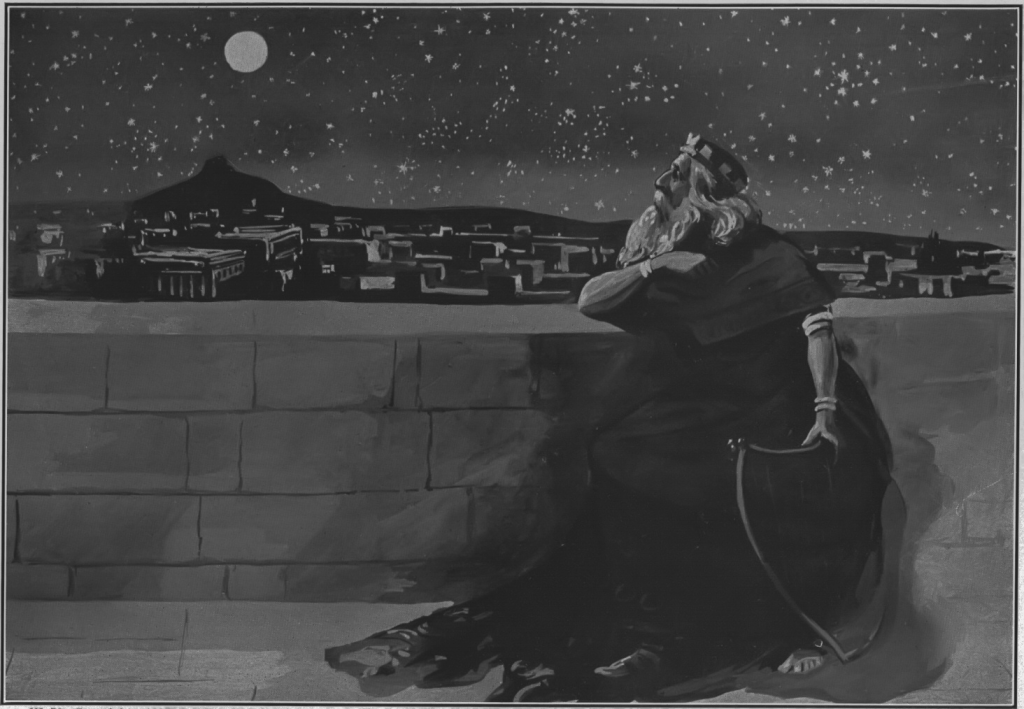
Blessed is the man who walks not in the counsel of the wicked, nor stands in the way of sinners, nor sits in the seat of scoffers; but his delight is in the law of the LORD, and on his law he meditates day and night. He is like a tree planted by streams of water that yields its fruit in its season, and its leaf does not wither. In all that he does, he prospers. The wicked are not so, but are like chaff that the wind drives away.
(Psalm 1:1-4)
Psalm 51
King David is the author of many of the psalms and his life is a reflection of the lives of all sinful mankind in their relationship with God. However, David is the example of fallen mankind as he/she struggles through life but places his relationship with God above all else despite his numerous failures. God knew David’s heart, and he honored God throughout his life. The story of “David and Goliath” is a perfect example. David trusted in God and risked his own life in confronting Goliath when no one else would. The psalms of David display his love and dependence on God, but also his fear of Him as demonstrated in his prayers of repentance. Psalm 51 is viewed as the model of repentance as David’s repentance shows his true and heartfelt sorrow for offending a holy God. This is his repentance for his sin of committing adultery with Bathsheba and having her husband murdered. David acknowledged his sin without excuse and begs for God’s mercy so that God does not remove His presence for David’s life. He affirms God’s authority and right to exercise justice and accepts it. David receives chastisement but is restored to God’s favor. We see in David our own sinfulness and fear of God’s judgment, but we also see in David the method for true repentance and forgiveness. Spiritual growth requires an acknowledgement of sin and the need for continual repentance to retain the presence of God and His favor.
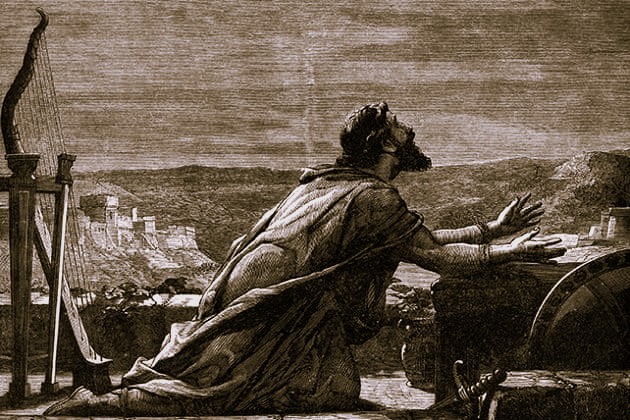
Be gracious to me, O God, according to Your lovingkindness; According to the greatness of Your compassion blot out my transgressions.
Wash me thoroughly from my iniquity And cleanse me from my sin.
For I know my transgressions, And my sin is ever before me.
Against You, You only, I have sinned And done what is evil in Your sight, So that You are justified when You speak And blameless when You judge. (Psalm 51:1-4)
Summary
The believer’s relationship with their God is the foundation for the Psalms. They are instructions for communicating with God on every matter concerning the circumstances of life. The Psalms show us how to approach God in prayer, repentance, petition, praise, and meditation. They provide the template for the proper method of approaching God, as He is a holy God that is to be revered and feared. He is also a loving God who bestows blessings on those who find favor in His eyes through their faith and faithfulness. God is sovereign and He reigns from His heavenly throne over His kingdom. He is to be honored and praised, “Praise the Lord our King!”

 Hosea 4:6 Teaching Ministry
Leave a comment