Introduction

The Doctrine
Anthropology according to Merriam-Webster’s Collegiate Dictionary is–“the science of human beings especially: the study of human beings and their ancestors through time and space and in relation to physical character, environmental and social relations, and culture.” Another branch of anthropology is theological or biblical anthropology. This is, “the doctrine of humanity which views humans in terms of their relationship to God. It includes mankind’s origin, purpose and destiny according to biblical teachings,” (Westminster Dictionary of Theological Terms). Biblical anthropology is described in theological terms as The Doctrine of Man, which is the study of mankind, (both man and woman). This distinction is essential in theology due to the creation account in Genesis describing the creation of man and woman, and the account of the Fall where a curse is placed on the man (Adam) and on the woman (Eve). The method of their creation and the consequences of the curse has affected the relationship between men and women since that time. This doctrine has become important in current times because the modern culture has rejected traditional views concerning issues such as gender identity, sexual orientation, social justice, and the role of men and women in society. The answers to questions regarding these issues are found in scripture, however many do not and will not accept these answers, including many professing Christians. This problem is the result of rejecting scripture as the authoritative word of God, misinterpreting scripture, or being ignorant of what scripture actually says.
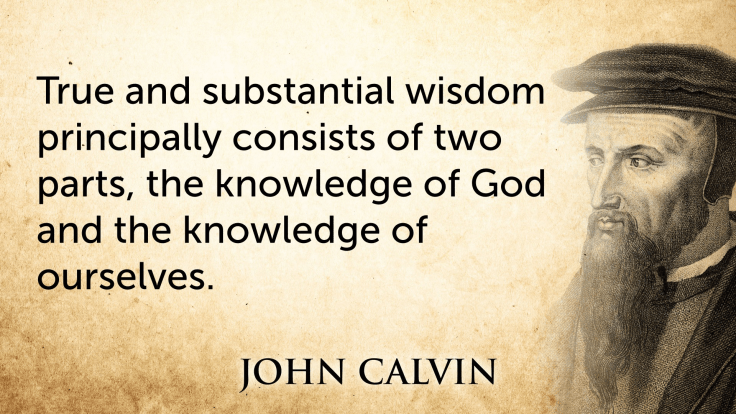
The study of theology involves the study of many various doctrines, including the doctrines of God, Christ, the Trinity, Salvation, Sin, Angels, Demons, Humans, Justification, the Church, and the End-Times, etc. All of these doctrines are important but the most important doctrines for understanding and growing in the faith are the Doctrine of God, and the Doctrine of Man. These doctrines provide answers to the deepest questions of life that have perplexed the minds of humans since they were placed upon the earth. This can be illustrated by the practice of the ancient Greek philosophers who spent a majority of their days gathered together pondering the purpose of life. Their discussions focused on the subject of ultimate reality. There was the physical reality that was clearly visible and another reality that also existed that was beyond the physical, which they called the metaphysical. Their observations of the natural world pointed them in the direction of the existence of a god necessary for the creation of a world that functioned in a state of order and not in a random state of chaos. They reasoned that this creator god is separate from the creation and must therefore exist in the ultimate reality of the metaphysical. Theologians in like manner considered the revelations of God revealed in Scripture as they contemplated the question, “What is man?” As both the philosophers and the theologians approached this question, they realized that in order to answer that question they had to first answer the question, “Who or what is God?” Their inquiries brought them to the conclusion that the creation, (man), can best be understood in light of the creator, (God). Gaining knowledge of the creator can help to understand the purpose and function of his creation. The philosophers and the theologians viewed this line of inquiry as more than a search for knowledge, it was actually a pursuit of wisdom. Knowledge is the accumulation of facts, while wisdom is the ability to collect the facts, process them through the mind, and then to make wise life decisions from them. Biblical wisdom is the talent of studying and collecting the teachings of Scripture in order to best navigate through life according to God’s purpose and will. Answering the question of “What is man?”–naturally brings one to an understanding of man’s relation to God, then to an understanding of man’s purpose in life.
The Origin of Man

In our biblical quest to define man it is natural to begin with his origins. Where did man come from? How did he begin to exist? How or what created him? Was man created as a unique creature, or did he evolve from the lowest type of spontaneous life forms? These are just some of the many questions that enter our minds when we contemplate our origins. The answers to these questions directly impact a person’s beliefs and worldview. For example, a belief in the creation narrative of the Bible will bring a person to view life as having a grand purpose and to have confidence in an eternal afterlife; while an atheistic worldview or a belief in the theory of natural evolution leads to a sense of hopelessness and despair because life is merely the result of random chance without any real purpose except survival, and there is no future joy as death brings the end of a person’s existence.
According to the Doctrine of Man, Scripture reveals to us that man was created by God on the 6th and last day of the work of creation. (God rested from His work on the 7th day). Man was the crowning work of all God’s creations as the man and the woman were created last after everything else had been created. The cosmos, including the earth and everything on it was created first, for their benefit and enjoyment. Humans were also created uniquely from all of God’s other creations as all that was created was spoken into creation except man, who was specially created and crafted by God in His own image and likeness, (Gen. 1:26-27). He was shaped from the soil of the ground and God breathed the breath of life into him. Man’s body of flesh was formed from the elements of the earth and upon his death it will return to these elements. However, his spirit which was breathed into him by God as the breath of life is eternal and will continue to exist in the afterlife. This eternal existence is what gives believers the passion and cheerful hopefulness that allows them to endure all things for the sake of their savior, Christ. Unbelievers moan and despair because they lack hope for a future glorious existence; their hope is in trying to create a utopia here on earth—which has not and will not ever exist in a fallen world which is in rebellion against the God who created it.
Created Male and Female
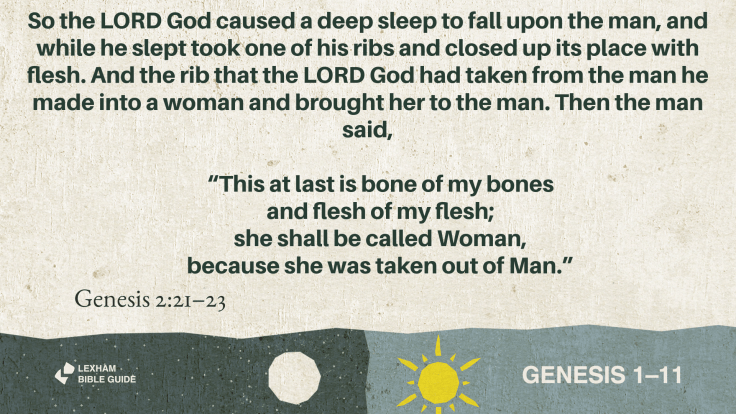
The creation account involving the man and the woman, (the human race), is well known and for the most part taken for granted. However, looking at the current news stories concerning social issues and controversies, many of them concern teachings based on the passages of this account. As stated earlier, these issues include gender identity, same sex marriage and relationships, and the role of women in the church, in sports, and in marriage. It also weighs heavily in the relationship between men and women, especially the marriage relationship. On the one hand problems arise when the woman challenges the role of the man as the head of the marriage and the family. On the other hand, many men do not have a full understanding of God’s intention of their headship over the woman and have abused their position by treating their wives as property instead of the suitable partner that God had designed for him. They fail to look to Christ as the model to follow in loving and caring for their wives as Christ cares and loves His church, “But as the church is subject to Christ, so also the wives ought to be to their husbands in everything. Husbands, love your wives, just as Christ also loved the church and gave Himself up for her,” (Eph. 5:24-25). In the quote below Thomas Nelson gives an excellent explanation of this concept.
“Women are made in the image of God (Gen. 1:27); therefore, they ought to be treated with the same dignity and respect as men. The Bible does describe, however, basic differences between men and women that are to be honored as part of God’s design (1 Cor. 11:3–16). The Bible does not support the degradation or abuse of women. At the same time, it does not support the right of women (or men) to put themselves above God’s plan and do as they please. Christians need to respond to the real problems that feminists identify, but they must do so without compromising the plan for male and female that God has revealed in His Word.“
Thomas Nelson, I. (1995). The Woman’s Study Bible. Thomas Nelson
The Doctrine of Man as it relates to the creation of the man and woman gives instruction on the Word of God pertaining to the issues regarding their roles and responsibility as partners to each other and as stewards to the rest of creation. God’s plans for mankind are intended for His love and peace to be manifested through obeying His commands. Men and women through disobedience bring conflict, disorder, and anxiety into their relationship. In the same way, but on a larger scale, society creates chaos and confusion when God’s design for the man and the woman is rejected in rebellion against God’s rule. Confusion reigns and rational minds descend into foolishness as God’s grand design is ignored for the purpose of encouraging sin. Humans were created in two distinct genders, given specific roles, and given to each other as complimentary partners not as separate, equal and identical creatures. Woman was created out of the man to complete him so that they function together as one unit and as one body when they are united together by the bonds of marriage–God’s plan realized!
Created in the Image of God
Man is not only unique in the way God created him and her, but they also possess the highest form of dignity because they bear the image of a Holy God. No other creature on earth bears the image of God and therefore does not possess the same level of dignity as mankind. This argues against the belief held by some professing Christians who believe in a form of theistic evolution which is the belief that God used the process of evolution in His work of creation. Scripture is clear that man is the only creature created in God’s image and likeness. Apes, birds, fish, reptiles, or any other creature was not created in the image of God. Therefore, man could not have evolved from a lower life form or beast. Only mankind was given the privilege and honor to bear God’s righteous and holy image, “and put on the new self, which in the likeness of God has been created in righteousness and holiness of the truth,” (Eph. 4:24). Man is unique in his composition, separate from every other creature of the earth, possessing both body and spirit, being stamped with the image of God as He blessed them to exercise dominion over every other creature on the earth.

God created man in His own image and likeness so that man has the ability to be in relationship to Him. We see that in the Garden of Eden God walked among the man and the woman and spoke freely to them in conversation. They existed in a blissful relationship with each other because Adam and Eve were still in a state of innocence possessing holiness and righteousness because they were without sin. This came to an end when they sinned through disobedience in the Fall and their relationship with God was severed. God’s image in man was tarnished and his righteousness was lost. Damaged by the Fall, man retained his rational mind and dignity as he still had the responsibility to exercise dominion over the earth and to seek after God. Man’s relationship would be restored by Christ through His work of redemption, and he would be able to receive God’s righteousness through faith in Christ’s work. God’s image is then fully restored in those who are in Christ. Receiving righteousness from Christ they are able to bear God’s image by being holy as Christ is holy.
Concluding Wisdom
The Doctrine of Man is substantial in its content and cannot be adequately presented in this introductory article. The effect of the Fall and sin is a major theme in the doctrine as it has major repercussions on the nature of man, but these issues can be found under the Doctrine of Sin. To repeat an earlier statement, the Doctrine of Man is one of the most important doctrines of the faith in conjunction with the Doctrine of God. Much wisdom can be gained from learning and understanding these doctrines. Diligent pastors understand their importance and base many of their sermons on these doctrines. Their congregations are blessed by the teachings of these faithful shepherds. However, many people are not members of a church, or they are in a church with a negligent pastor or a false teacher. For those without adequate instruction may this article enlighten your understanding and encourage further study.
Let me end with the wisdom intended to be drawn from the Doctrine of Man. The wisdom sought by philosophers, sages, and truth seekers throughout history are found in the pages of Scripture and explained in the doctrine. Direct your life according to this wisdom and things will go well with you in this world and the world to come according to the good will of God.
So, what is the purpose of life? The purpose of life is to love the Lord our God with all of our heart, and with all our soul, and with all of our mind. Also, to love our neighbor as ourselves. This is the teaching of Christ on the greatest commandment presented in Matthew 22:37-39.
What is man’s primary purpose? Man’s primary purpose is to glorify God and to enjoy him forever, (The Westminster Shorter Catechism, Question #1).
 Hosea 4:6 Teaching Ministry