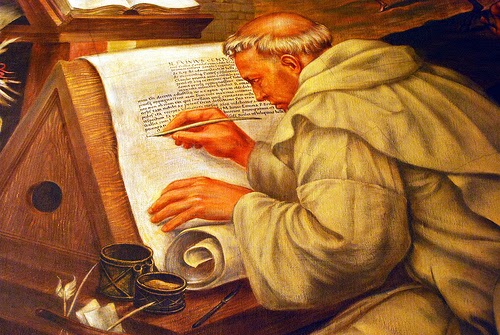
Changes in Reading Styles
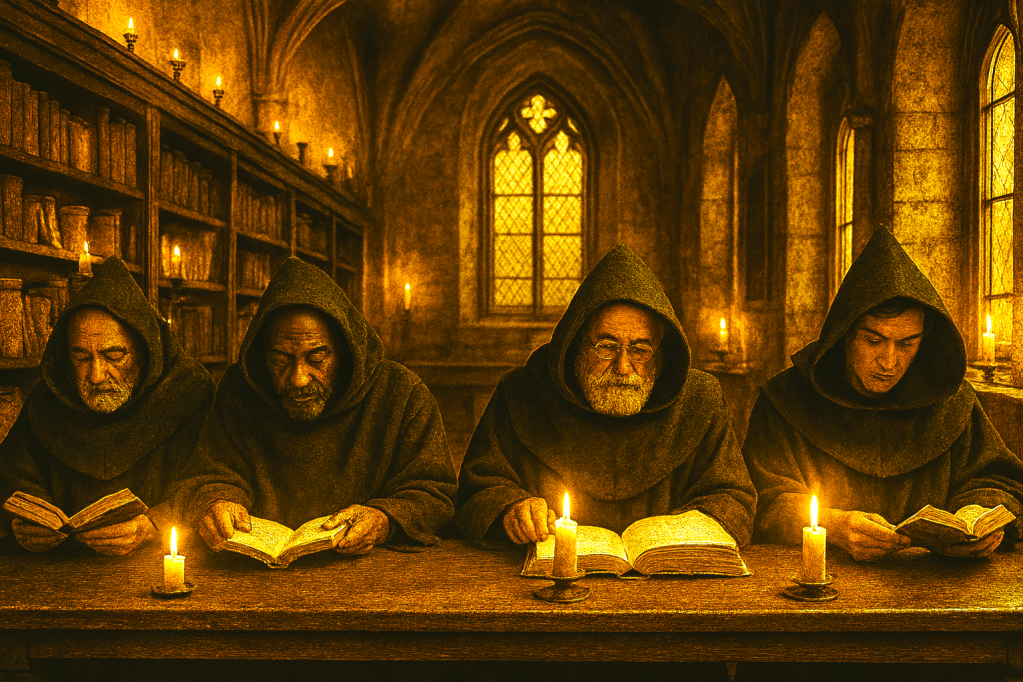

The two contrasting images shown above illustrate the change in reading styles and habits that have occurred during the past centuries. These changes must be taken into account by authors, creators, writers, and anyone else communicating through the written word. Readers and the means by which they receive their written material has evolved over time. The way that people read and comprehend has also evolved. Within the last century new forms of technology have entered society and altered the forms, methods, and means by which people read. Until only recently the written word was the primary form of entertainment for most people which meant that readers focused their minds and imaginations entirely on the material being read. There were few distractions such as TV, phones, computers, and radios. Long novels and essays were the standard such as Plato’s The Republic, Homer’s The Odessey and The Iliad, Tolstoy’s War and Peace, and Victor Hugo’s Les Misérables. Reading required a lengthy time commitment, but it was also the main form of entertainment and education. Younger generations have changed their interest from reading long essays and novels to consuming material primarily through social media platforms. Reading in the social media format is intended for brief and easy enjoyment which reduces deep thought. Engagement of the mind requiring critical thinking has been replaced by entertainment of the eyes requiring minimal thinking. Where prior generations were inspired and entertained by the works of literary giants such as Homer, Tolstoy, Dickens, Tolkien, and Shakespeare; people are now influenced and entertained by video images created by talentless halfwits, (referring to TikTok). A return to classical reading and critical thinking is the hope for a self-indulgent and apathetic society.
The Bible has always been classified as a work of classic literature along with the others mentioned above, and like these other classic works the Bible is lengthy. Therefore, it suffers the same fate as other classic works where modern readers avoid and disregard it. My teaching experience has shown that with biblical illiteracy, knowledge of the stories of the Bible is lacking. Generally speaking, many people have not heard or read many of the Bible stories–and what they do know of the stories lack the proper biblical message and theological significance. I have found that when people hear these stories in the fullness of the biblical context, they are captivated and want to hear more. While the Bible and its stories are abundantly available through modern media sources there is still a need for proper interpretation and understanding of Scripture. There are many unbiblical sources that distort and alter the Bible stories from their original meaning. All of Scripture, including the Bible stories, should be understood with the guidance of knowledgeable and faithful pastors and teachers of the faith. For those who not members of a church or Bible study group this ministry helps to provide you with the necessary guidance.
In response to all the above issues, this section of the ministry is dedicated to presenting relevant bible stories that have been neglected and overlooked but are still attractive and interesting to our modern culture when presented with the full biblical and theological weight accorded to the word of God. The stories have been condensed but they still retain the full biblical message. They are also presented in consideration of the reading habits of modern readers who read in smaller sections and skim through the material for the relevant parts.
The Bible Stories

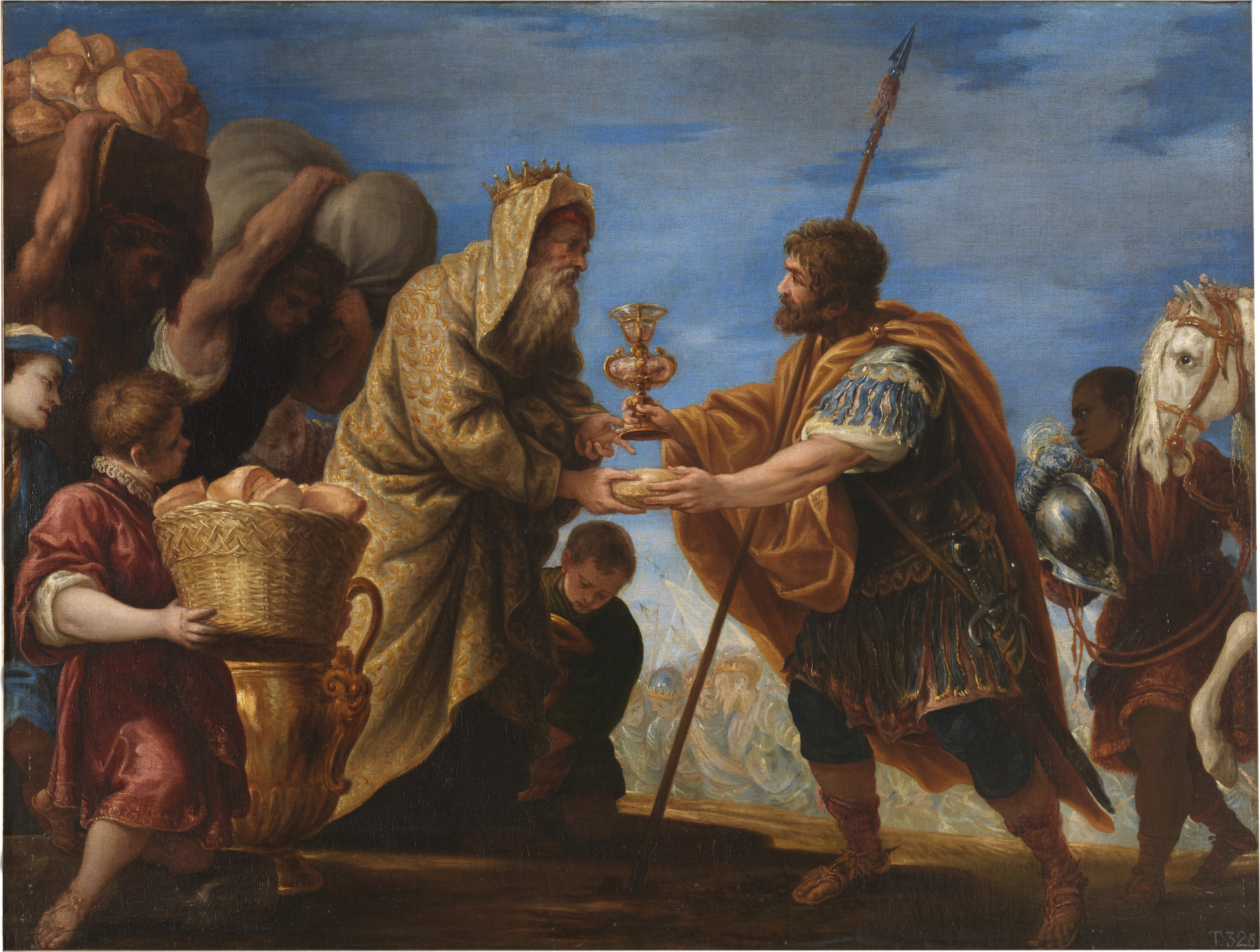

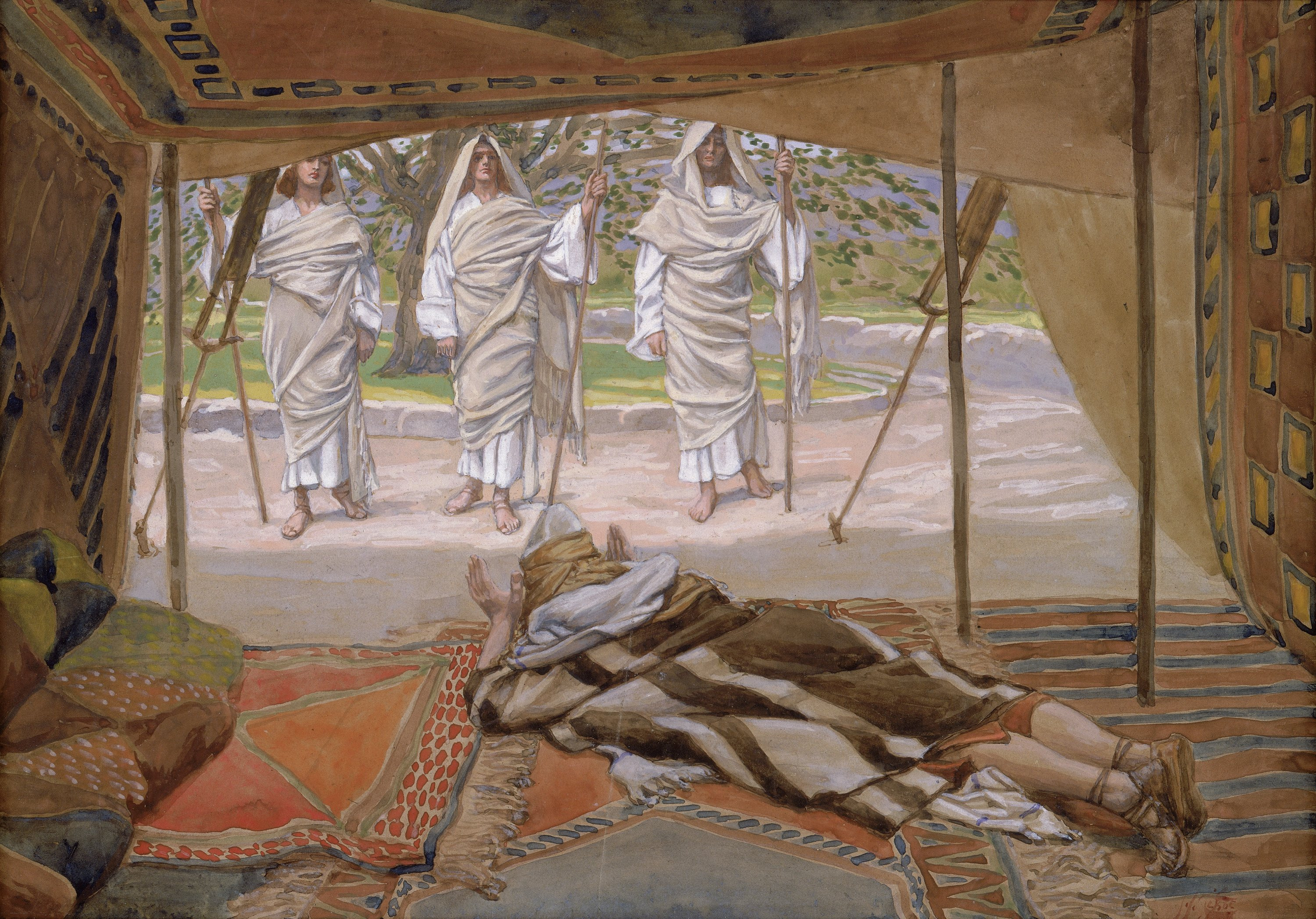
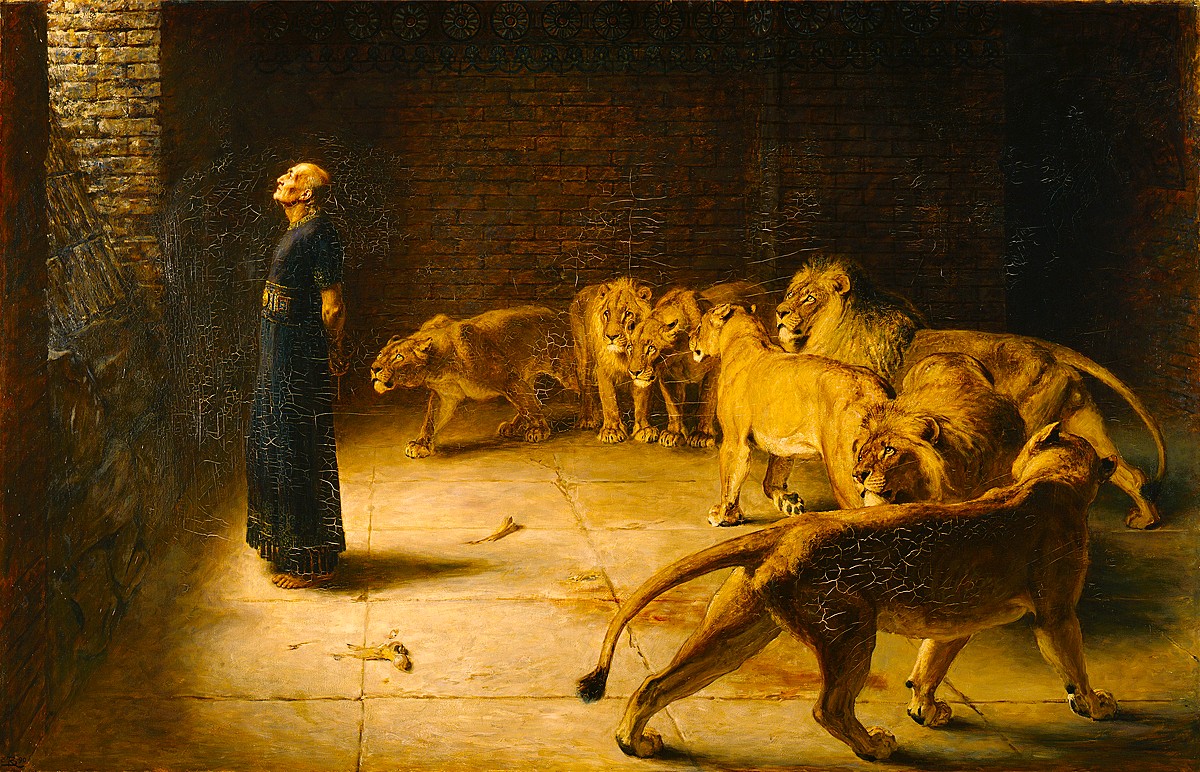
The gallery of images above displays scenes from some of the more popular stories of the Bible. Some of the images should be easily recognizable while others may be a little difficult. Included above are images depicting Daniel in the Lion’s Den, Abraham and the Three Angels who warn of the impending destruction of Sodom and Gomorrah, David and Goliath, the Writing on the Wall, and Abraham paying homage to Melchizedek, the mysterious king of Salem and priest of the God Most High. Most people are familiar with the stories of Daniel, Sodom and Gomorrah, and David and Goliath, while the other two stories may not be so. The story of the Writing on the Wall is found in Daniel 5:5-31, where a mysterious hand appears out of nowhere and writes a message of doom on the wall declaring judgement against King Belshazzar, predicting his death which will occur that very night. The story of the mysterious King Melchizedek is found in Genesis 14:17-20. Melchizedek mysteriously appears as a king and priest of God when the land of Israel was still a pagan Canaanite territory and before the Israelites became a people through the line of Abraham. As mysteriously as he appears, he then disappears. However, he is highly regarded in other parts of Scripture as an archetype of Christ who is said to reign as King in the form of King David, and to serve as a high priest in the order of Melchizedek, a king of righteousness, (Heb. 6:20-7:10, and Psalm 110:4). These are just a few of the Bible stories that will be presented in this section. These stories will be presented in a brief form but with commentary explaining the story in its full context for those who lack a mentor in the faith. May these stories teach the truths of Scripture and may they inspire readers to begin a regular program of Bible reading and study!
 Hosea 4:6 Teaching Ministry