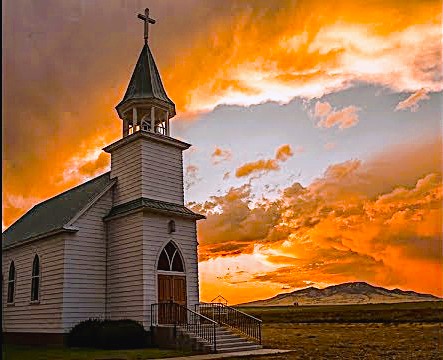
THE DOCTRINE OF THE CHURCH
Introduction
For the past several decades the greatest challenge that the Church[1] has faced is the increasing decline in membership. Poll after poll has been conducted and each year the results indicate that the number of persons that consider themselves to be Christian continue their downward spiral. A look at the actual numbers will present a better picture.
- A 1990 Pew Research Poll found that 90% of Americans identified themselves as Christian. By 2020 that number had decreased to 64%. The researchers also concluded that if the trend continues the percentage will drop below 50% in a few decades.
- The 2022 State of Theology Survey indicated that 56% of Americans did not believe that church attendance for Christians was necessary.
What these polls and surveys indicate is that we may soon experience very few people sitting in the pews of many churches, and the closure of several others—as has already happened throughout Europe. The first order of business for the Church is to attract new believers back to the Church by making it relevant in opposition to modern worldviews such as secularism, relativism, and socialism which obscure the truth and challenge religious beliefs. The second order of business is to overcome the objections of many Christians who do not attend any church and have no desire to do so. For example, there are many self-proclaimed Christians who reject corporate worship but instead believe only in individual worship. This is referred to as lone-wolf Christianity, which is unbiblical. Those who profess to be Christian but who consider church membership as irrelevant are as single sheep with no flock or shepherd. They are without direction, protection, and proper instruction. They are loners with no community or family of believers to share love and fellowship.
Before a proper response to both dilemmas facing the Church can be made, the cause or causes for the decline must be determined. Looking back to the 1990’s when the sharp decline began, a pattern was emerging in many churches that became quite evident. There was a wave of new forms, methods, and ideologies for conducting church to make it more appealing to new generations of sophisticated consumers. Evangelism moved from the commission of saving the lost, to a venture of reaching new customers. The gospel message was watered down in favor of man-centered feel-good messages. The result was that they made their churches irrelevant because their message was irrelevant. It preached a false gospel attempting to imitate the true gospel. A man-centered gospel lacks the ability to cut to the heart as a Christ-centered gospel can. It is the work of the Holy Spirit that convicts and brings conversion to the unbeliever through a transformation of the heart. The Gospel of Christ is the only truth that has the ability to transform a person by turning their heart toward God by the power of the Spirit. Therefore, the Church needs to return to a robust campaign of Christ-centered Gospel preaching and teaching. This includes teaching the need for life in the local church community. The Doctrine of the Church provides answers to many of the objections against organized religion and for the necessity for church membership.
[1] Church spelled with a capital letter refers to the universal church; church spelled with a small letter refers to a local church.
Church Origins
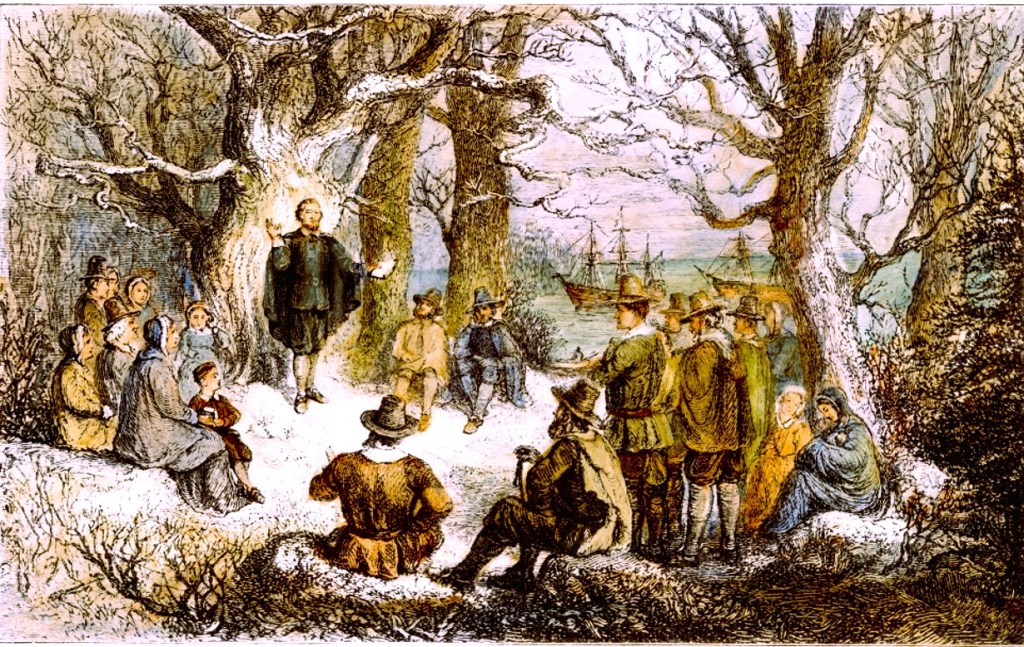
The Church was established by Christ and expanded by His Apostles and followers to the outer reaches of the world as commanded by Christ in The Great Commission, (Matt. 28:18-20). Following His resurrection, Jesus commanded His Apostles to tend and feed His sheep, this created a leadership of shepherds to watch over the flock of believers, (John 21:15-19). These commands are the foundation of an institution where the followers of Christ can be protected, directed, instructed, and encouraged. This institution is the Church. The gathering of the early church has its roots in the Upper Room where Christ and His Apostles assembled and had the Last Supper. This room was located in the house of one of the followers of Christ, possibly Mary the mother of John, (Acts 12:12). House churches were the principal meeting place for the early church until persecution subsided and they had greater freedom to worship in public spaces. During these times of persecution, the church met in caves, homes, and secluded outdoor locations. The church is not the building, nor is it limited to buildings, it is the community of believers gathered together for worship. As the main image above shows, the early Puritans coming to America gathered outdoors for their worship service.
The Church is the community of believers organized together for the worship of God. They are also commissioned as His ambassadors to the world to present the Gospel. As God’s ambassadors and servants, Christians are enemies of the spiritual powers and forces of darkness that are on the earth. This means that they are targeted for spiritual warfare. This is the ongoing conflict between the Kingdom of God and the Kingdom of Satan. Protection and safety are provided by gathering together with the rest of the flock under the direction of a shepherd. Puritan theologian George Swinnock warned that a sheep alone away from the flock is easy prey for the wolf.

“Woe to him that is alone. While the sheep flock together they are safe, as being under the shepherd’s eye. But if one straggle from the rest, it is quickly a prey to the ravenous wolf.”
To summarize, the Church was established by Christ and instituted through His Apostles as the assembly of the followers of Christ. The pattern and traditions for church meetings were set by the practices of Christ and His Apostles. They gathered together for preaching, teaching, protection, fellowship, and for the institution of the Lord’s Supper, (Acts 2:42-47) below. This is the model left by Christ for believers to follow through the ages until He returns.
Acts 2:42-47
“They were continually devoting themselves to the apostles’ teaching and to fellowship, to the breaking of bread and to prayer.
Everyone kept feeling a sense of awe; and many wonders and signs were taking place through the apostles.
And all those who had believed were together and had all things in common;
and they began selling their property and possessions and were sharing them with all, as anyone might have need.
Day by day continuing with one mind in the temple, and breaking bread from house to house, they were taking their meals together with gladness and sincerity of heart,
praising God and having favor with all the people. And the Lord was adding to their number day by day those who were being saved.”
The Church as a Community of Love
“Finally, the church is a refuge because it is the community of love. The love of the covenant community is first and foremost the love of the Lord Himself, dispensed through His people. Our love will be imperfect but should be very real. The church is a symphony of Christ’s love known in Christ-centered bearing of burdens, service, prayerfulness, encouragement, godly discipline, and mutual mission to love the world in Jesus’ name. This perhaps is the great outcome—a place of love. That is what our world seeks. The church is that place, according to the Word and work of God.”
Rev. Jay Thomas, pastor of Chapel Hill Bible Church. “The Church Is Our Refuge” in Tabletalk Magazine, July 2024.
Christians are commanded to love God and to love their neighbor. These are the greatest of the commandments, as all the other commandments stand upon these two according to the teaching of Christ, (Matt. 22:37-40). Loving God and one’s neighbor is the basis for corporate worship which necessitates the establishment of the Church. Love can only be expressed through relationship with others, and not in isolation apart from others. Love, forgiveness, and compassion are the distinctive qualities of a true Christian which originate from Christ and His teachings, then are passed on through His church, and out to a suffering world. Those who receive salvation by God’s grace are also called to be His servants in His plan of redemption. The Church is the assembly of imperfect people serving to help bring about God’s perfect plan of redemption.
“Community (having all things in “common-unity”) was one of the distinctives of the New Testament Church (Acts 2:44, 45; 4:32–37). John writes that because we have communion with God, we have communion with each other (1John 1:3, 6, 7); in fact, the one who does not love his brother is not of God (1John 2:9; 3:10). That is to say, it is impossible for us to be true worshippers of God, to be one with Him, and not have communion with each other.
Kornfield, D. (1987). The Church. Ashland Theological Journal Volume 19, 19, 91.
THE DOCTRINE
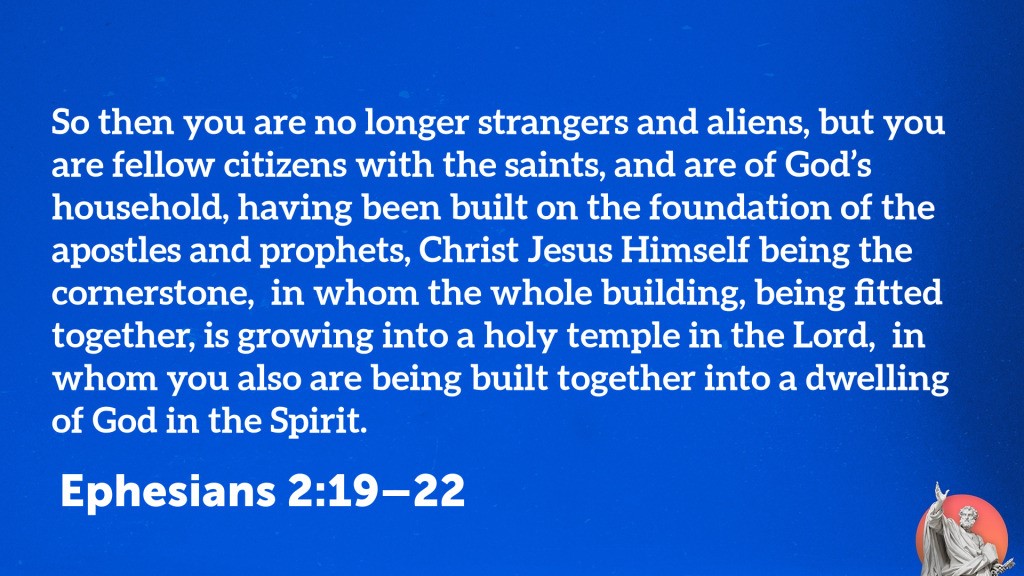
Why is the Doctrine of the Church important? To begin with the doctrine provides answers to many questions such as the purpose, authority, origin, policies, and mission of the church. In the quote above, (Eph. 2:19-22), the Apostle Paul teaches that Christ is the architect of the Church and the apostles are the foundation, “having been built on the foundation of the apostles and prophets, Christ Jesus Himself being the corner stone,” (Eph. 2:20). Jesus also proclaimed that the church would endure until the end times, “I will build My church, and the gates of Hades shall not prevail against it,” (Matt. 16:18). These verses indicate the importance of the Church as God’s own possession and creation, and they also provide the source of the Church’s authority which is Christ and passed on through the Apostles. This authority also extends to the teaching of the Apostles as documented in the Scriptures. These points of instruction create the Doctrines of the Church that clearly show just how important the Church is for believers and for the will of God to be accomplished through His people. The first aspect of instruction on the doctrine is to provide a definition of the Church. What is the Church? What is its purpose and mission? Who are the members of the Church?
Definition of the Church
Briefly stated, the Church is the assembly of God’s chosen people in the world. They are the continuation of the Lord’s presence and ministry in the world today. It is the body of believers who have been called out to fulfill the Great Commission by preaching and teaching the Gospel to the world. A more formal definition of the church is the following section taken from the Pocket Dictionary of Theological Terms.
church– A word generally used to translate the generic Greek word ekklēsia, which variously means “gathering,” “assembly” or “congregation.” However, the NT tends to use the word to refer to all those who by faith in the person and work of Christ as the fullest revelation of God have entered into a new relationship with God and with one another (1 Cor 1:9–10), who are the dwelling place of the Holy Spirit on earth (1 Cor 3:16), and who have been given the task of proclaiming the present and future reign of God in the world, both by the verbal declaration of the word of God (Acts 20:25–27) and by the administration of the ordinances or sacraments (Mt 28:19; 1 Cor 10:16–17). The church is founded on the past work of Christ in his death, resurrection and ascension, points to the return of Christ in the future and seeks to live in love by the power of the Spirit in the present. (Grenz, S., Guretzki, D., & Nordling, C. F. (1999). Pocket Dictionary of Theological Terms (p. 26).
The Visible and Invisible Church
An aspect of the definition of the Church are the distinctions between the Visible Church and the Invisible Church. The Visible Church consists of all members of the Church, both believers and unbelievers. The Invisible Church is the true Church consisting only of true believers.
- The Visible Church is the Church as seen through human eyes where both true believers and unbelievers are members of the Church. These unbelievers are those who claim to have faith in Christ, but they are actually false converts who are not saved because they lack true faith. In other words, these individuals will find themselves locked out of the gates of heaven because their names are not included in the Book of Life, (Rev. 21:27).
- The Invisible Church is the true Church as seen through God’s eyes where only He can see the heart of the individual and know that they have accepted Christ by faith as their savior.
These aspects of the Church are important to know as they are terms commonly used in many texts and teachings concerning the Church. For practical application, we do not know who is truly redeemed and are members of the Invisible Church, only God knows. We are to leave that judgment to God and therefore we are to accept every Church member equally, and without undue prejudice. We do know that in the Visible Church there are those who not redeemed, their hearts have not turned to Christ. These are the persons that Christ refers to in Matt. 7:21-23, who claim Christ as their Lord but will be denied the Kingdom of Heaven as Christ tells them, “I never knew you, depart from me.”
The Kingdom of God and the Church
It is a common mistake to define the Church as the Kingdom of God, but they are actually two separate aspects of God’s influence in the world. The Church is not the Kingdom of God, but it is the main instrument in advancing the Kingdom. Here is a theological definition of the Kingdom:
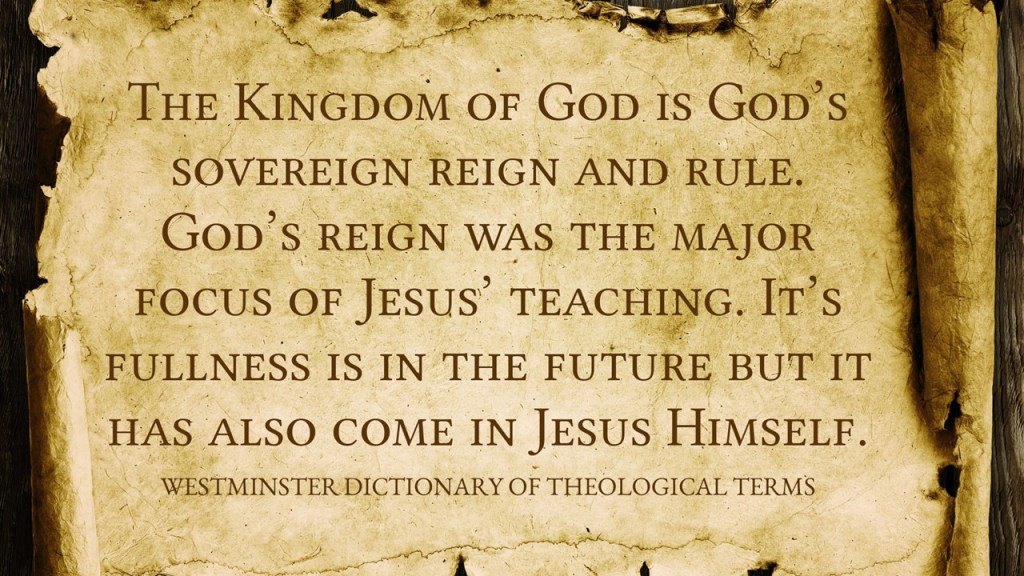
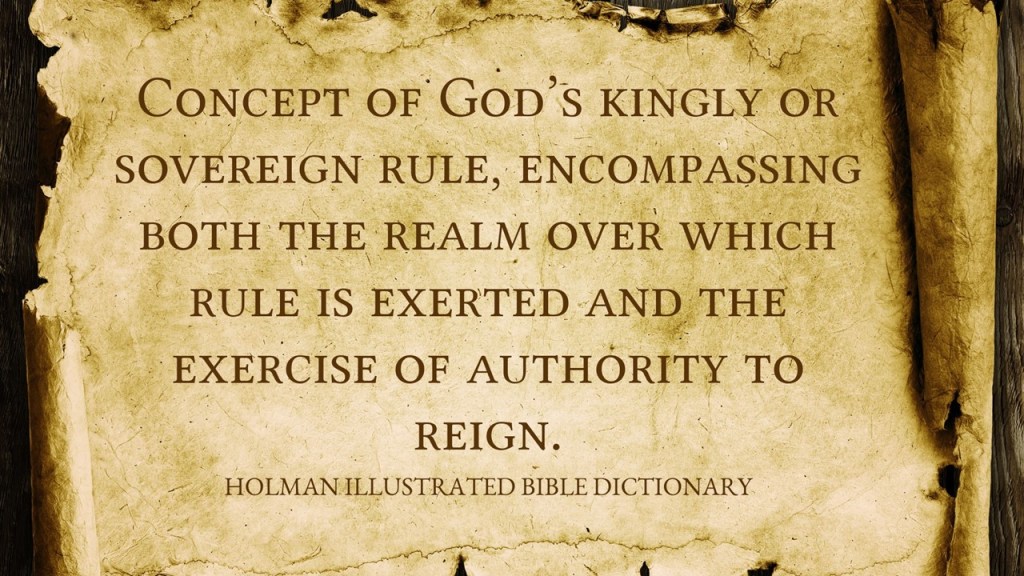
The Church is the primary instrument of the Kingdom as it confronts its enemies through the preaching of the Gospel. As God chose Israel as a nation set apart to oppose idolatry and false beliefs, He now uses the Church as the vanguard of the Kingdom to oppose the demonic forces and human entities behind the deceptive worldviews that challenge the true faith. The preaching of the Gospel and the work of evangelism through the power of the Holy Spirit save the lost from the Kingdom of Satan.
Mission of the Church
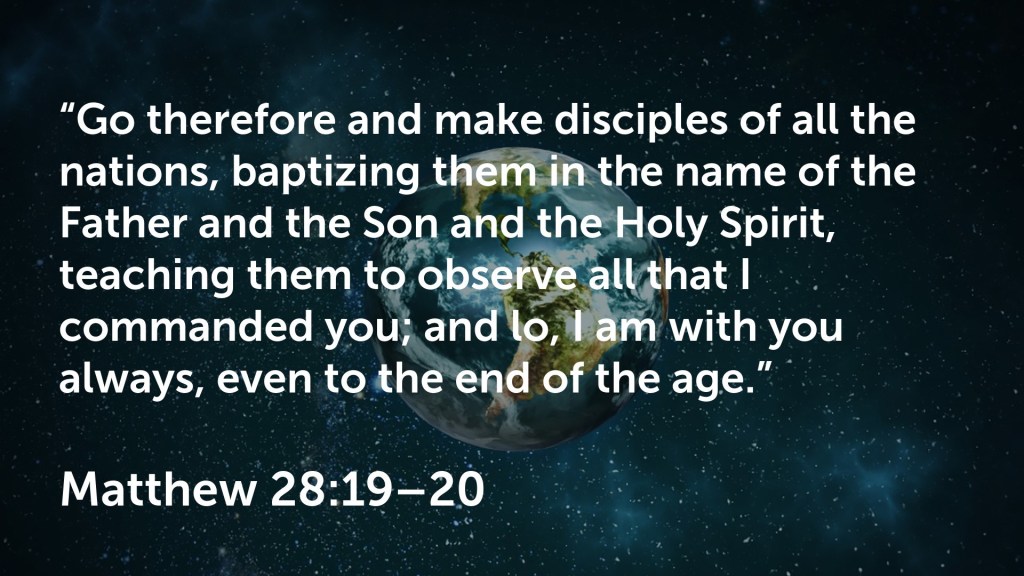
Christians are called to worship God, love their neighbor, and to place their faith in Christ as their Lord and Savior. The Church, as it was established by Christ, was given a specific mission following His resurrection. This mission is called the “Great Commission.” The commission is found in verses 28:19-20 in the Book of Matthew, pictured above. Christ’s final instructions to His Apostles were to go out into the world and to make disciples from the people of all the nations by teaching them all that He had instructed to them and then baptizing them. This commission is the authority given to the Apostles and passed on through them to the Church for all time as Christ will always be with His Church. From this command, the mission for the Church is developed with three main objectives: evangelism, teaching, and the administration of the sacraments. From these three objectives the various functions of the Church are established. These functions are displayed throughout the New Testament as we see the early Church engage in discipleship, community worship, celebration of the Lord’s Supper, baptism, evangelism missions, preaching, and social concern through the care for the poor, the widows, and the orphans.
The mission of the Church must always be guided by and governed by the commands of the Great Commission. It must also be focused on the actions of Christ as the model of righteousness, compassion, and leadership. Many churches in modern times have strayed from the original mission and have developed a mission that is contrary to the teachings of Christ and the Apostles. As an example, many churches neglect evangelism and teaching, but concentrate on social concerns or social justice as it is commonly referred to today. So, this type of church will place its priority on social justice programs while neglecting the preaching, teaching, and advancement of the Gospel. Another example is the Prosperity Gospel churches where the focus of worship is turned inward toward the pastor and the congregation, instead of upward toward God. Their priority is on gathering large offerings for the personal profit of the pastor and the benefit of each church member to gain health, wealth, and prosperity. All this is done under the false scheme to reach the poor and needy when in reality they are only enriching themselves while neglecting those in need. The proper teaching and understanding of the Gospel and of the Doctrine of the Church should clearly expose these errors for all those persons sitting in the pews of these apostate churches. Unfortunately, these churches are filled to capacity in these times of biblical illiteracy.
Attributes and Marks of the Church
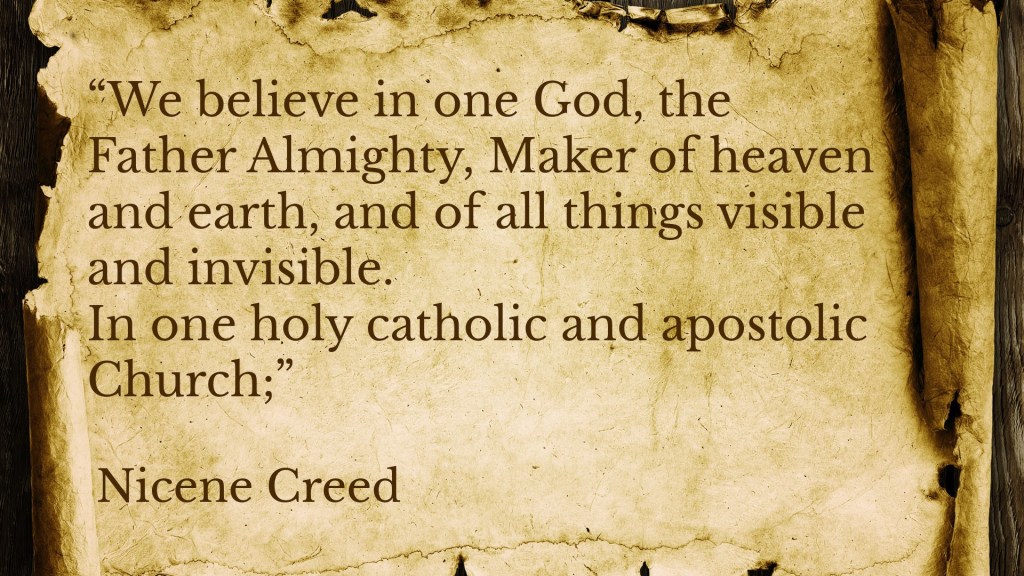
The Church is—-
One,
Holy,
catholic (universal),
and Apostolic.
Attributes
The attributes of the Church are the qualities that set it apart from any other institution, organization, or group. The above quote is an excerpt taken from the Nicene Creed which lists the affirmation of the attributes that constitute the Church, “We believe in one holy catholic and apostolic Church.” The Nicene Creed is one of the earliest creeds, (set of beliefs), of Christianity adopted in 325CE. This creed established many of the foundational doctrines of the faith. In the last sentence shown above the primary attributes of the Church are listed. It is one in unity, holy in nature, catholic meaning universal in application, and it is apostolic in its origin.
- Unity- The Church is unified as one body as it exists as one flock with one shepherd, who is Christ. It is one family of God who have placed their faith in Christ as their Lord and Savior, and who are united in serving Him to advance the Kingdom of God.
- Holy- The Church is holy because God is holy, and His people reflect His holiness. Believers are indwelt by the Holy Spirit who is holy, and they have received the holy righteousness of Christ by faith. They are a holy people set apart from the rest of the world as God’s servants to a sinful world.
- Catholic- The word catholic is a term taken from the Greek word for universal. The Church is universal in its reach and application to all regions of the world. It is the instrument by which the Gospel will reach all people and in all places. The Church is fully equipped to preach, teach, and bring the message of salvation to all persons that God intends to reach.
- Apostolic- Apostolic refers to its foundation which is based on the teaching of the Apostles. The Apostles were commissioned by Christ as the administrators and leaders of the early Church. This commission has been passed on to all future generations of Church leaders and members giving them authority to make disciples of all nations.
Marks of the Church
The marks of the Church are those qualities that distinguish a true church from a false church. There are three marks or activities that affirm the existence of a true church. These are the pure proclamation of the Gospel, the proper administration of the sacraments, and the faithful exercise of church discipline.
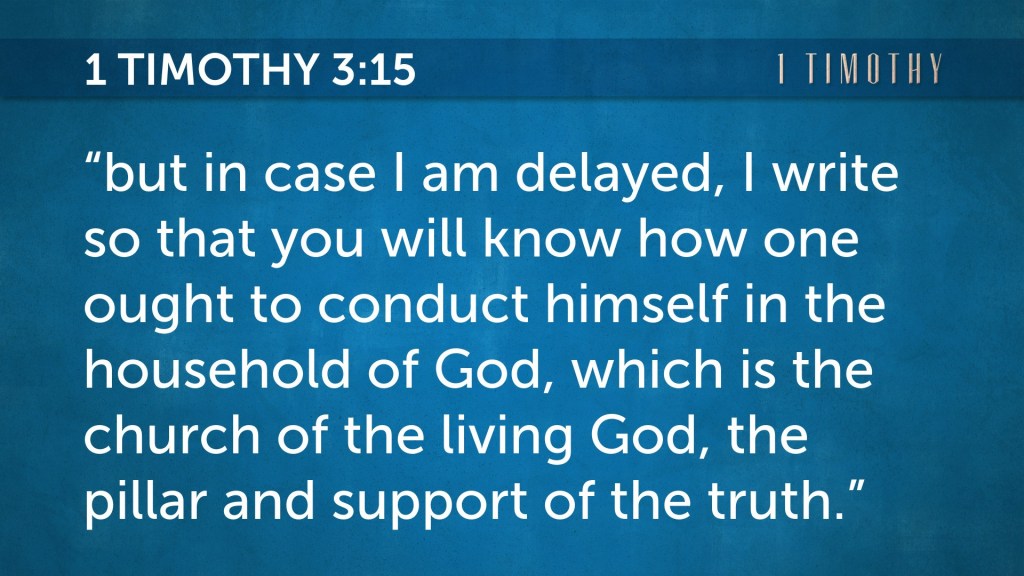
- The True Preaching of the Gospel- The proper preaching of the Gospel is a certain way to determine if a church is a true church. If a visitor entered a church where the preaching contradicts the clear teaching of Scripture, then it is a false church. In Matt. 18:20, Jesus instructs His disciples that wherever two or three persons are gathered together in His name, He will be there among them. This instruction confirms that Christ is present in His Church when the Gospel is faithfully preached. The Church is the house of God and is therefore considered the stronghold and foundation of truth. Truth is proclaimed through Christ’s Church by the preaching of the Full Council of God.
- The Proper Administration of the Sacraments- The sacraments or ordinances are seals of the covenant of grace instituted by Christ for His followers. The Church is the institution by which the sacraments can be administered only to its members. Baptism and the Lord’s Supper are the two sacraments provided by the Church for all members of the Church to partake in. Only a true church will rightfully administer the sacraments.
- Church Discipline- Because the Church is holy, the use of discipline is necessary to maintain its purity. Just as each person is convicted by the Holy Spirit for disobedience, so is each member of the Church to be disciplined for behavior that brings dishonor to God and His Church. The intent of the discipline is to bring repentance and conduct worthy of the Church.
Functions of the Church
The functions of the Church are those operations performed by the Church in the execution of its mission. These functions are the activities taken by the Church in fulfilling the Great Commission. These are the four functions of the Church: evangelism, edification, worship, and social concern.
- Evangelism- This is the presentation of the Gospel to bring people to Christ and salvation. Evangelism is the ministry of outreach to the world through the preaching of the Gospel of Christ and the spread of the Gospel message. The Church was given the commission to make disciples of all the nations by Christ and the Church does this by proclaiming His Gospel to the world as the Body of Christ. The Church acts corporately as an organization with each individual member expected to evangelize those in his or her circle of influence.
- Edification- This the building-up and strengthening of the spiritual life of Christians and their congregations. Edification is the inward ministry of the Church to its members to equip, support, and encourage them to complete the mission. It is done through the preaching and teaching of the Gospel, as the preaching nourishes the spirits of all members of the congregation, the teaching prepares them as messengers of The Good News of Christ. Edification is also the means by which believers are shepherded through their spiritual growth as they progress toward spiritual maturity. Each member contributes to the work of edification through the unique gifts that each is given by the Holy Spirit.
- Worship- It is the offering of reverence, honor, and praise to God. The primary purpose of mankind is to glorify God. We are all made in the image of God, and we reflect His glory to one another and back to God. The Church is the assembly of God’s people where worship of the Triune Godhead, (Father, Son, and Holy Spirit), is conducted through shared praise. Christians were made by God to declare His praise. “This people I have formed for Myself; They shall declare My praise,” (Isaiah 43:26).
- Social Concern- This is the ministry of mercy to the poor and needy. It is the continuation of Christ’s concern and compassion for the outcasts of society, those in need, and the downtrodden. It is also an expression of the commandment to love one’s neighbor. In Matt. 25:31-46, Jesus commends those who feed the hungry, give drink to the thirsty, provide shelter and clothing for the needy, care for the sick, and visit those in prison. Then He condemns those who claim to be righteous but did not have compassion by not providing care for those in need.
Offices of the Church
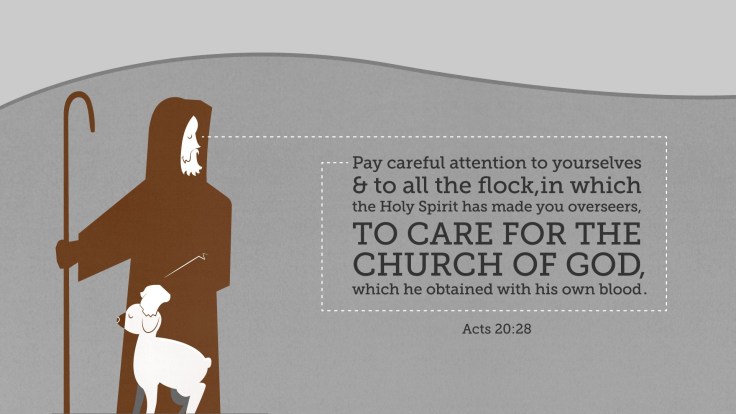
The early Church was established by Christ with the leadership consisting of the men chosen and trained by Him to be His Apostles. As the Church grew and the Apostles passed away, positions of leadership were created. The earliest leaders were those who were the followers of Christ and who had established themselves as the most qualified to preach and teach. The Apostle Paul took the lead in missionary journeys to establish new churches. As he established these churches, leaders had to be chosen to lead these new flocks. Paul established church offices and qualifications for these leaders in his instructions to his assistant Timothy. His 1st letter to Timothy contains these instructions along with other administrative rules for the conduct of the Church.
The two offices that Paul established are the office of Elder and Deacon. The elders are the shepherds who oversee the church and are responsible for teaching and preaching. Deacons are those who assist the elders in their leadership duties.
- Elders- The Apostle Paul appointed elders to lead the churches that he planted with instructions to shepherd the Church of God in Acts 20:28, see the image above. Elders are also called by other titles in the New Testament; Pastor, Bishop, and Overseer. As the shepherds of each flock, the elder is appointed to rule over the operation of the church in its duties and mission. They must have the ability to teach and preach which is required in their roles as pastor and teacher. While others in the church with the gift of teaching may also teach in the church, the elder/pastor directs all instruction to ensure it is sound doctrine.
- Deacons- The role of deacon was created by the early Church leaders as they delegated secondary duties to responsible members so that they could focus on primary duties and not become overburdened. Deacons were initially given the tasks of mercy ministries for the care of the widows, the poor, and the orphans. Their roles expanded as the churches grew. They are servants of the church performing those functions delegated to them by the leaders.
The officers of each church have been gifted by the Holy Spirit to perform their duties. For instance, the pastor has the gifts of preaching and teaching. The deacons may have the gifts of teaching, worship, stewardship, and compassion for the needy. The elders, pastors, and overseers have been appointed to their positions through the calling of the Spirit. It is for these reasons that due respect and honor are to be rendered to those shepherds who have been rightly called and appointed by God. They have a great responsibility, and their congregations should support them as much as possible.
Christ gave to His Church people gifted to be pastors, teachers, and evangelists for the work of ministry.
Sacraments
There are two sacraments, also called ordinances, that the Church serves upon its members as a means of God’s grace. The Church recognizes two sacraments as being instituted by Christ and given to His Church as means of grace meant to bless and strengthen the faith of each believer. The Lord’s Supper and Baptism are the two sacraments established by Christ and administered by each local church. Provided below is a brief and concise definition for a better understanding:
sacrament. A visible sign (from Lat. sacramentum; Gk. mystērion) that communicates Christ’s finished work, and thus is a means of grace. The Protestant Reformers recognized only two as instituted by Jesus, baptism and the Eucharist, not the full seven sacraments of the RC (baptism, Eucharist, *confirmation, penance, the anointing of the sick, holy orders and marriage). Not only are the sacraments central aspects of Christian worship, they are the wellspring of the Christian life. Source—Provance, B. S. (2009). In Pocket Dictionary of Liturgy & Worship (pp. 113–114).
The Lord’s Supper
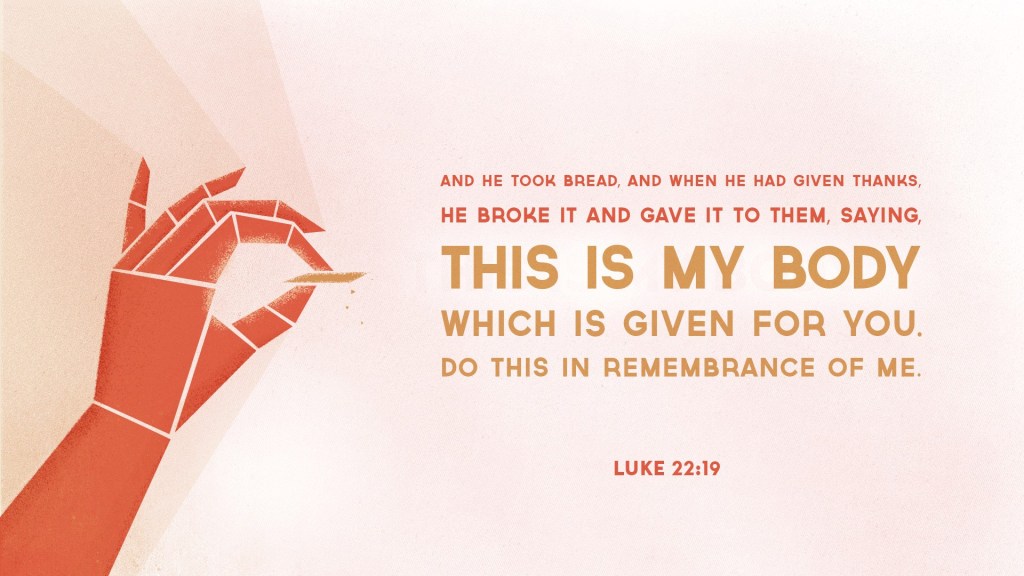
The institution of The Lord’s Supper as a holy sacrament begins with the words and actions of Christ at the last supper as shown above. Christ tells His Apostles to eat the bread and drink the wine as a remembrance of His sacrifice on the cross by which the forgiveness of sins is made possible, (Matt. 26:26-28). This was the beginning of the tradition that was carried on by the Apostles, the early Church leaders, and then to the Church for all time until Christ returns. The partaking of the elements of the Lord’s Supper provides the believers with a special grace as we acknowledge and celebrate the sacrifice of our Lord Jesus by which we have been redeemed. The grace bestowed provides the benefits of spiritual nourishment and growth, and the pledge of communion between Christ and the believer, (Westminster Confession XXIX.1).
“Is not the cup of blessing which we bless a sharing in the blood of Christ? Is not the bread which we break a sharing in the body of Christ?
(1 Corinthians 10:16–17)
Since there is one bread, we who are many are one body; for we all partake of the one bread.”
Baptism
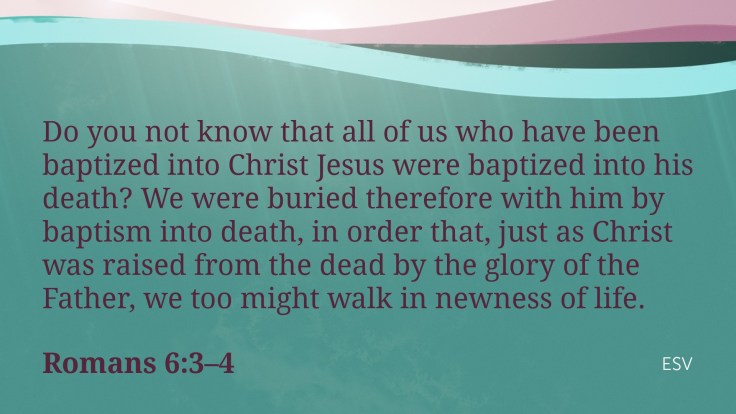
Baptism is the ritual by which the new believer makes a public proclamation of his or her rejection of sin and repentance, followed by their profession of faith in Christ as their Saviour. Baptism signifies a ceremonial washing where the baptized obtains an inward purification and remission of sins as they are cleansed by the water through immersion or sprinkling. They were regenerated through a new spiritual birth and became a new person in union with Christ at the time of justification when they accepted Christ by faith. Baptism is the visible ritual which signifies the cleansing of sin and the emergence of the new person in Christ. The Apostle Paul explains that those who are baptized are baptized with Christ into His death and burial. They are then resurrected with Him into a new life, (Romans 6:3-4). The sacrament of baptism is the Church’s compliance with the Great Commission’s command to “make disciples of all nations, and to baptize them in the name of the Father, and the Son, and the Holy Spirit.”
Biblical Images of the Church
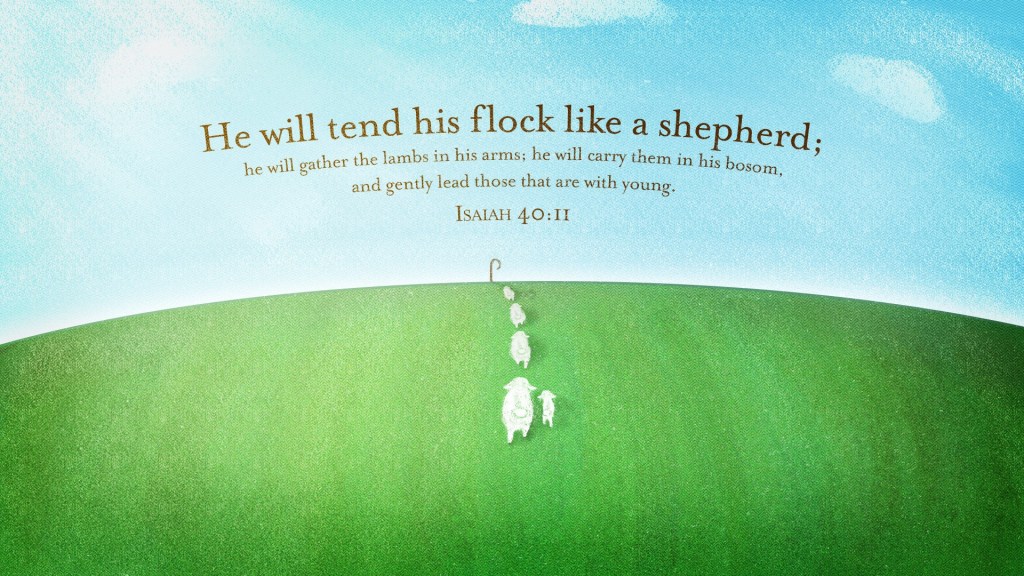
In the New Testament there are several metaphors or images that are used to describe the Church. They are also used to describe the relationship between God and His followers. For example, the Apostle Paul uses the image of family several times to describe the nature of the Church. In the image above, the Prophet Isaiah uses the image of a flock as he describes the community of believers. As the Christian reads and studies Scripture, they will come across these metaphors often, and this teaching will help to explain their meaning. There are several metaphors used in the Bible and listed below are some of the most common.
- The Body of Christ- This image describes the relationship between Christ and His Church. It represents the union that exists between believers and Christ where they are united with Him in His death and resurrection. The Church is united together as one body in Christ’s Church.
- The Flock of God– Jesus describes Himself as the Good Shepherd in John 10:1-21. As the Good Shepherd, Jesus describes His relationship to His Church as He cares and protects them as a shepherd tends his flock. Every member of His Church is cared for and protected as they are guarded at all times.
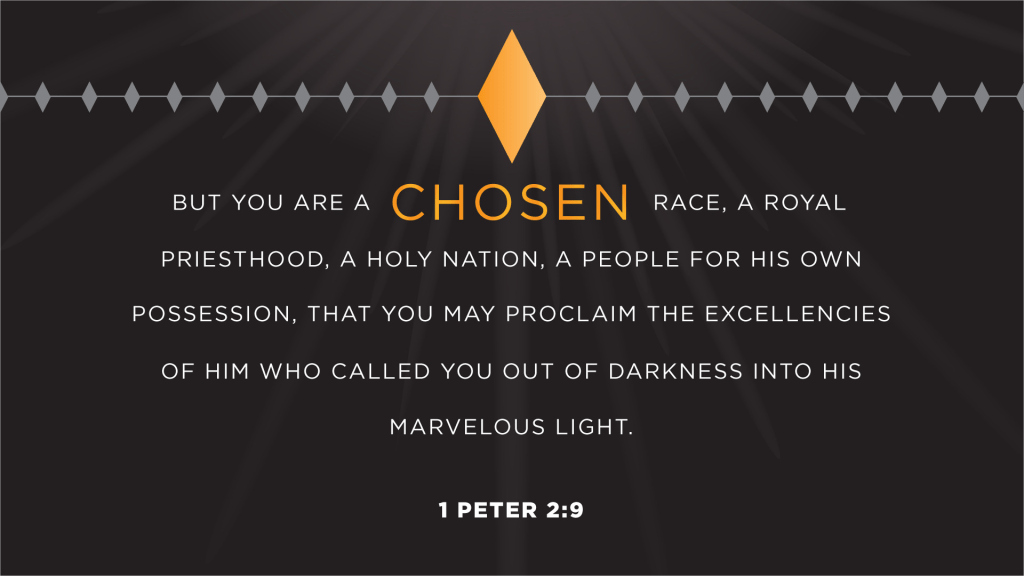
- A Royal Priesthood– This metaphor describes the relationship between God and His special people that He chose for salvation. It also describes the members of the Church as a Royal Priesthood who have been appointed by Christ, the Great High Priest, to proclaim His praises to a world lost in spiritual darkness. “But you are a chosen generation, a royal priesthood, a holy nation, His own special people, that you may proclaim the praises of Him who called you out of darkness into His marvelous light;” (1Pet, 2:9).
- The Bride of Christ– The Church as the Bride of Christ is the image represented by the relationship between Christ and His Church as the relationship between a husband and his bride. It is a relationship of unconditional love and faithfulness pledged by Christ to His bride, the Church.
Conclusion
The Doctrine of the Church is a summary teaching of the biblical view of the Church as taught by Christ, the Apostles, and the authors of the Old Testament books. It gives the believer the proper view of the importance of the Church as the people of God, chosen by God, and who are assembled together in a loving community with a divine mission and purpose. Christ instituted the Church as His own precious possession to fulfill the Great Commission by declaring His Gospel to a world that is lost and in spiritual darkness. The members of His Church are not meant to be a closed society concerned only with the needs of the congregation. They were chosen as a Royal Priesthood to be the lights of the world that engages the Kingdom of Darkness which opposes the rule and reign of God in this world. The Church is God’s instrument to proclaim the Word of God and to bring lost sheep into the flock. This mission cannot be accomplished by Lone-Wolf Christians but only by the combined efforts of the community of believers. The Doctrine of the Church gives clear biblical evidence against the concept of rejecting membership in the Church of Christ, except for those who are sick, aged, disabled, or otherwise physically unable to attend. However, in such cases it is the ministry of the Church that cares for these individuals.
The Doctrine of the Church provides the blueprint for the conduct and administration of the Church. In the reality of a world of fallen and imperfect people, the Church faces many obstacles as it strives to conform to the teachings of the doctrine. As such, there are many churches that are not true churches and there are many church leaders who serve but have not received the true calling of God. These are false pastors and preachers that serve for their own selfish purposes, and they are not supported by the Holy Spirit. This is the dilemma for a believer struggling to find a true church with a faithful pastor. Unfortunately, it is also a reason that some have abandoned the Church because they have encountered false teachings and these false preachers. It must be understood that this is a condition of these times of unbelief, and it is also the result of the ongoing struggle between the Kingdom of God and the Kingdom of Satan. False pastors and preachers are the instruments of Satan to deceive people in order to keep them out of the Kingdom of God. Believers must remain steadfast in their obedience to Christ and His Gospel. Christ continues to appoint elders, pastors, and overseers to faithfully shepherd His churches. Be guided by Scripture and the Doctrine of the Church in finding a true church and a loving community of believers. If you have been saved, then you have been called to serve Christ in proclaiming His work of redemption to the world. Find a faithful and Christ honoring Church!
 Hosea 4:6 Teaching Ministry