
Introduction
There is a person who is more involved in the spiritual growth of a Christian than anyone else. It is His responsibility to fill the life of the believer with wisdom, power, and truth, and to lead him/her to spiritual maturity. Yet, this person is neglected, misunderstood, and even rejected by many in the faith. This person was personally sent by Christ to be the helper and counselor who would lead them in their mission to take the gospel message to every corner of the world. This person is of course, the Holy Spirit, and His work is crucial in the life of Christians. The items that I have just described are part of His ministry to believers as He dwells in them and directs their sanctification process. The works and ministry of the Holy Spirit are clearly stated throughout the New Testament with commentary by the gospel writers such as the Apostle Paul and John. Some of their commentary will be included throughout this teaching in the form of bible quotes. Such as the one below.

Because the Spirit and His doctrine have been ignored or neglected, Christians fail to grow and mature in the faith. It is as if they are new plant seedlings that remain as seedlings and fail to grow because they do not receive the necessary water and sunshine which is provided by the work of the Holy Spirit. The neglect of the Holy Spirit is not a new issue, it has plagued the Church for ages. As an example, a sermon preached by the Rev. Robert Murray McCheyne of the Church of Scotland in 1846 makes mention of this neglect.
“There is, perhaps, no subject upon which there is greater ignorance than that of the Spirit of God. Most people in our day, if they answered truly, would say as those twelve men at Ephesus: “We have not so much as heard whether there be any Holy Spirit” (Acts 19:2). And yet, if ever you are to be saved, you must know Him, for it is all His work to bring a poor prisoner to Christ. A little boy, when dying said: “Three persons in the Godhead. God the Father made and preserved me; God the Son came into the world and died for me; God the Holy Spirit came into my heart and made me love God and hate sin!”
These same words could be preached today, and they would be just as true as they were 180 years ago. What was needed then, is the same thing that is needed now–A robust teaching on the Doctrine of the Holy Spirit. As Rev. McCheyne proclaimed in his sermon, “if ever you are to be saved, you must know Him.” He also informs us that the Holy Spirit comes into our hearts to make us love God and hate sin. What a great truth he preached that day to his congregation; I can almost hear him forcefully preaching the Word in his native Scottish brogue. We indeed must know Him in order to be saved because He is the power and instrument of our conversion and regeneration. In regard to loving God and hating sin, it is the work of the Holy Spirit that is responsible for the growth and sanctification of the believer. It is His leading and teaching that takes the new believer from newborn in Christ to a mature believer in the faith. Many believers remain as newborn babes because they fail to grow spiritually. They neglect the power of the Spirit that dwells in them as the helper who was promised by Christ just prior to His death and resurrection, “If you love me, you will keep my commandments. And I will ask the Father, and he will give you another Helper, to be with you forever, even the Spirit of truth, whom the world cannot receive, because it neither sees him nor knows him. You know him, for he dwells with you and will be in you,”(John 14:15-17). The Holy Spirit is sent by Father, and through the Son to continue His work on the earth following His death, to minister to the believer as the Spirit resides in him or her. The Spirit dwells in us as our advocate, comforter, and protector. This is explained in the following excerpt from a commentary on the Gospel of John.
“He will give you another Counselor.” The word “Counselor” is here applied to both Christ and the Spirit, and rightly so, for the task of comforting and exhorting us, and guarding us by their protection, belongs to both of them equally. Christ was the protector of his disciples while he lived in the world, and afterwards he committed them to the protection and guardianship of the Spirit. It may be asked, are we not still under Christ’s protection? The answer is straightforward. Christ is a continual protector but not in a visible way. While he lived in the world, he openly revealed himself as their protector; but now he guards us by his Spirit.”
Calvin, J. (1994). John (Jn 14:16). Crossway Books.
The person and ministry of the Spirit as presented in the teachings of Scripture is collected and arranged for proper instruction–as the Doctrine of the Holy Spirit. This is the teaching of Jesus, passed on through His apostles, and recorded in the pages of Holy Scripture for our edification. Unfortunately, the importance of Scripture has been lost over the last few centuries and along with-it Christians have become spiritually shallow. The times of the great awakenings were long ago, led by men who were spiritually steadfast, Spirit filled, and led by the Spirit for great works. In the event of another great revival, the Spirit will again raise another group of such men.
The Person of the Holy Spirit
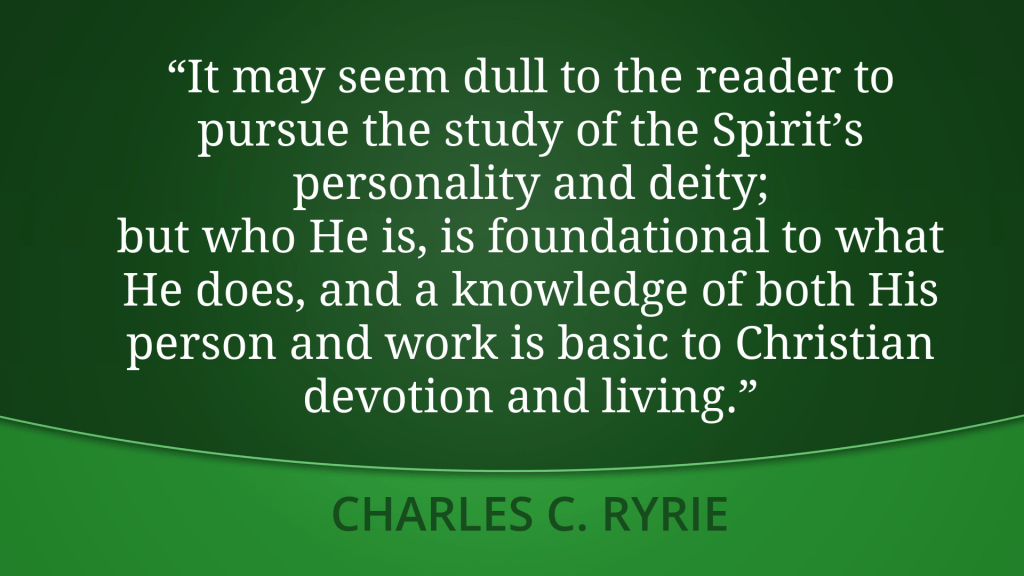
Any research conducted on the Holy Spirit will reveal that there is more written about what He does than who He is. The average Systematic Theology text will include a chapter on the Holy Spirit with the greater part of it focused on His work. This is because the ministry of the Holy Spirit involves a great number of matters pertaining to salvation and the life of the believer; while the personality of the Spirit is revealed in the Doctrine of the Trinity. There is a certain mystery surrounding the person of the Spirit as He exists as the third person of the Trinity. Due to the many false teachings concerning the Holy Spirit, people are often confused about the His true nature. This is compounded by the lack of teaching on proper doctrine and overall biblical illiteracy. As Charles Ryrie states above, “but who He is foundational to what He does, and a knowledge of both His person and work is basic to Christian devotion and living.” To begin with, the Holy Spirit is not described in Scripture as an object, or as it, He is described as a person possessing the personal pronouns of, He, Him, or Himself. He is not an impersonal force, an energy, or a role played by God as He appears in redemptive history; as Father in creation, as Son in redemption, and finally as Spirit in sanctification. This is the heresy known as modalism and is still held by the cults of Christianity who do not view either Christ or the Spirit as God. Just as Christ is fully God, so is the Holy Spirit fully God. A brief summary of the Trinity will help to understand the person of the Spirit.
The Trinity
The doctrine of the Trinity is a perplexing mystery that is incomprehensible for us to fully understand, it can still be grasped by us at a very basic level. The fundamental concept is that the one God exists as three persons, each one fully God and sharing one essence. They have eternally existed in this relationship as Father, Son, and Holy Spirit. Each is an individual person, and they mutually indwell each other as they share the same essence. They are united as one being and cannot be separated. There is only one God existing in three persons, not three Gods. They interact with each other as members of the Godhead. They each have assumed tasks in the drama of redemption and in their relationship to the creation. The Father is creator, the Son is redeemer, and the Holy Spirit is sustainer.
The concept of the Trinity can be difficult for people to grasp because they try to understand God using the categories of being related to humans. God is a supernatural being who is infinite and beyond the understanding of our finite minds. Therefore, we must extend our understanding beyond human terms and beyond the natural physical laws that pertain to the created world. God is a being that exists outside of time and space. He is unique to everything in creation, and only He is uncreated and has always existed. We only know about Him by what He has revealed to us. His revelation reveals Him to consist of three persons existing in one essence. This is the triune Godhead; Father, Son, and Holy Spirit. The Father is God, the Son is God, and the Holy Spirit is God. To say that you believe in God is to say that you believe in the Father, the Son, and the Holy Spirit. The three persons of the Godhead all share the same attributes, each being omniscient, eternal, infinite, omnipotent, holy, omnipresent, and immutable. Scripture testifies that the Holy Spirit is fully God and a person of the triune Godhead. The Spirit is worshipped and revered as only God can be worshipped.
The Ministry of the Holy Spirit

In the above quote, (Ezek. 36:27), the Prophet Ezekiel makes a prophecy concerning the future ministry of the Holy Spirit where He will dwell in believers and will guide them to obey God’s rules and commandments. This is the definition of ministry; which is to serve others in obedience and according to God’s will. The ministry of the Spirit is special in that it is the continuation of the ministry of Christ. Jesus began His ministry by declaring that He was the Messiah in fulfillment of the prophecy of Isaiah to preach the Gospel and bring in the Kingdom of God. Jesus trained His disciples in the Gospel message and then fulfilled the greatest task of His ministry, which was to die and provide salvation for all those who believe. Jesus informed His apostles that when He leaves, He will send the Spirit to guide them in continuing His ministry of bringing the Good News of salvation to the world. It is the ministry of the Holy Spirit which empowers Christians to continue the work of proclaiming the Gospel, to be His witnesses to the world, and to continue the work of the Church in caring for the poor, the widows, and the orphans.
The Spirit is sent by the Father through Christ as the comforter or advocate who will come alongside the Apostles, and by extension all believers, to assist them in their ministry to the world. Four Bible passages outline the primary tasks of His ministry, (John 14:16-18, John 14:26, John 15:26, & John 16:7-15). These tasks include the following:
- He will indwell and abide with them forever.
- He will teach them and remind them of what Christ said and taught.
- He will testify of Christ in all of His works as He is the mediating presence of Christ in the world.
- He will convict the world concerning sin, righteousness, and judgment.
- He will glorify Christ by being the Spirit of Truth who guides them into all truth and by revealing the works of Christ.
The ministry of the Spirit includes many other works necessary for the equipment of the servants of Christ in the Kingdom of God enabling them to complete their works of ministry and in bringing the unsaved to faith. The Holy Spirit is the agent of conversion, regeneration, sanctification, illumination, conviction, repentance, baptism, inspiration, and provider of spiritual gifts. He is the living and life-giving presence of God, invisible and yet personal and powerful in His being and operations. His ministry, in fulfillment of Christ’s promises commenced on the day of Pentecost.
Pentecost
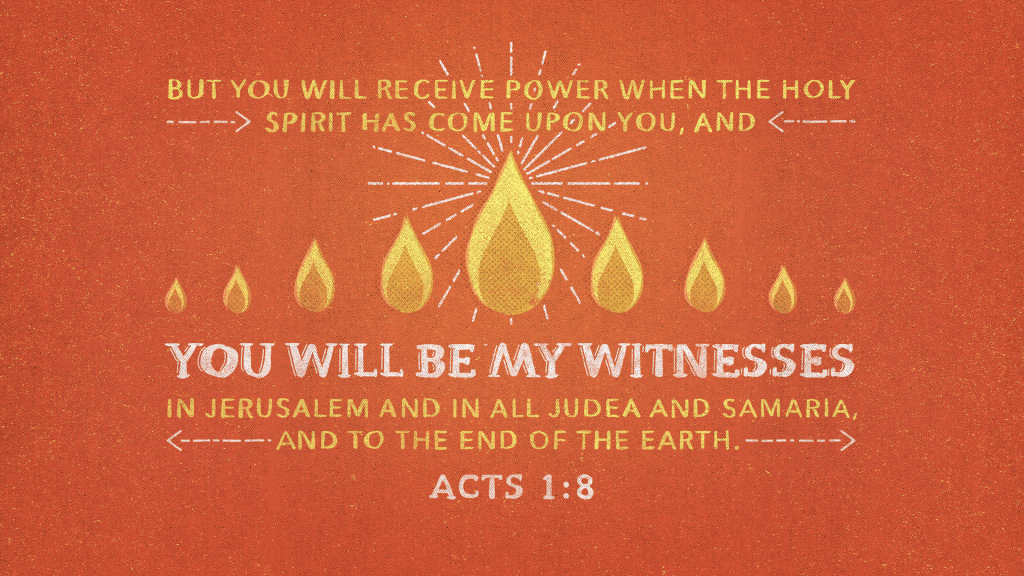
Pentecost is the day that the Holy Spirit was miraculously poured out on the Apostles and 3,000 other followers of Christ as they were assembled to celebrate a Jewish feast day. This event occurred fifty days following the resurrection of Christ. Just prior to His last appearance to the apostles, Jesus commanded them not to leave Jerusalem and to wait for the promised Holy Spirit, (Acts 1:4-5). On that day the house that they were meeting in was filled with a mighty wind and a great sound, which was followed by the appearing of several flames of fire in the shape of a clove which rested above each person. Then a series of miraculous acts occurred including the ability to speak in different languages so they could all understand each other, as many persons from other nations with different languages attended. Then the Apostle Peter was emboldened and inspired by the Spirit to preach a powerful sermon that “pierced the heart” of each person so that three-thousand new converts were added that day. This event is seen as the beginning of the Christian Church because a large group was baptized after they received the Spirit. The community of believers grew from approximately 120 to over 3,000, and from that day forward the Lord added to the early church each day, “And the Lord was adding to their number day by day those who were being saved,” (Acts 2:47).
On the day of Pentecost, after the Holy Spirit had fallen on the crowd; Peter was empowered by Spirit to preach, and that day three-thousand people were baptized and added to the community of believers.
But what does this have to do with the ministry of the Holy Spirit? Pentecost is the fulfillment of Old Testament prophecy concerning the promise of the Holy Spirit, “And it shall come to pass afterward, that I will pour out my Spirit on all flesh,“(Joel 2:28), and also in Ezekiel 36:27, “And I will pour My Spirit within you.” We also have the promises of Christ to send the Spirit as a helper, counselor, and the agent of truth as the Spirit of Truth, (John 16:13). These prophecies and promises are an outline for the ministry of the Spirit. It is His ministry to guide believers in truth, direct them toward righteousness in their sanctification, and to be the change agent who transforms them to the image of Christ. These and many other works are part of the ministry of the Holy Spirit who will be with us forever, “And I will ask the Father, and he will give you another Helper, to be with you forever, even the Spirit of truth,” (John 14:15). The events that occurred on the day of Pentecost were a foreshadowing of the works of the Spirit which were to come on all the future followers of Christ.
Spiritual Growth
Scripture relates spiritual growth to Christlikeness, which is to become more like Christ. Spiritual growth therefore requires Christians to be transformed by God to Christlikeness. This is the work of the Holy Spirit who is the agent of transformation in the sanctification process.
To understand spiritual growth, it is necessary to have a grasp of the Christian life from the time the believer accepts Christ to the day of his/her death and passes into eternal life. Briefly stated, this time can be divided into two stages, justification and sanctification. Justification is the moment when a person accepts Christ as their savior by faith. At the time of justification, the believer is viewed as a new creation in Christ. He is a sinner who has been saved and declared righteous through his faith in the work of Christ on the cross. He has crossed over from darkness into light, but he still carries much of his old habits and the pollution of sin. A transformation process must take place where the believer’s mind is transformed by the renewing of the mind, (Rom. 12:2). This process is also called “progressive sanctification,” where the believer grows into a mature Christian whose mind is conformed to the mind of Christ and grounded in the teachings of the faith. Spiritual growth and the transformation of the believer is achieved by learning and applying God’s truth to his/her life. It is also dependent on the believer’s union with Christ and the work of the Holy Spirit, who is the agent of spiritual growth. The Spirit indwells them, convicts them of sin, and transforms them into the image of Christ. The Union with Christ and the work of the Holy Spirit are the foundations of sanctification and spiritual growth.
Spiritual growth is the path that the believer must take in order to rise to the standards of holiness and righteousness displayed by Christ. Our righteousness is not our own but is Christ’s given to us through faith. We must, however, strive to become Christlike in our conduct and actions, and only by Living and Walking by the Spirit is this possible. This striving to become Christlike is our responsibility in the work of the Spirit as He moves us through our spiritual growth process. As the Spirit indwells every believer and directs them towards maturity in the faith, the believer must adapt to this new relationship as they move forward in their sanctification. This the reality of the new life in Christ. Far too many Christians have not received proper teaching, while many others have neglected their spiritual growth. Sanctification is not a passive endeavor—it demands the active participation of the believer.
Indwelling of the Spirit
In the above passage, (1Cor. 6:19), the Apostle Paul is reminding the Corinthians that the Holy Spirit dwells in them, and therefore their bodies are the temple of God. Just as the Jewish temple of the Old Testament period housed the presence of the Spirit of God, the body of the believer is now the temple of the Spirit as He indwells them following the death and resurrection of Christ, “But this He spoke of the Spirit, whom those who believed in Him were to receive; for the Spirit was not yet given, because Jesus was not yet glorified,” (John 7:39). Beginning with the day of Pentecost, the Holy Spirit now dwells in believers as He guides them toward righteousness.

The ministry of the indwelling Spirit brings several benefits to the believer, which is why the Spirit is truly a gift from God. The indwelling of the Spirit creates a new relationship between the believer and the Spirit that may be difficult to comprehend, but it is a spiritual reality that the believer must accept and adjust accordingly to. I don’t believe that any Christian truly lives in light of having God reside in them because this concept is far above our understanding. It is never fully understood but only learned through experience. However, the relationship between the indwelling Spirit and the believer grows as he submits and depends on the guidance of the Spirit. There are three points concerning the indwelling Spirit that the Apostle is making in the above quote, (Romans 8:9-11).
- The first is that all believers have the Holy Spirit living in them because they belong to Christ.
- The second is that the believer is no longer inclined to the desires of the flesh but is now inclined to the desires of the Spirit because of righteousness.
- The last point is that the same Spirit who raised Christ from the dead also gives life to the believer who was spiritual dead but is now alive as a new creation in Christ.
Understanding this instruction from Paul is helpful to the Christian as he learns to adapt to the new life with the Spirit of God who now resides in them. This is a great blessing that should be celebrated by every believer who has received this gift. This blessing does however come with great responsibility because the indwelling Spirit convicts the believer of their sins, and is also grieved by their sinful actions. (Grieving the Spirit is caused by ignoring, refusing, or resisting Him. For example, the conviction of the sins of the believer by the Spirit is meant to bring repentance. If the believer ignores the conviction of the Spirit and does not repent, He is grieved by the believer’s refusal to repent.) The Holy Spirit can diminish His presence as He is repelled by the presence of the pollution of unrepentant sin in the spirit of the believer. This is the reason that Christians must continually repent and pray for the forgiveness of new and continuing sin in their lives. It is only by the power and assistance of the indwelling Spirit that believers can overcome the desires of the flesh, (which is the desire to sin).
Neglecting the Gift of the Indwelling Spirit
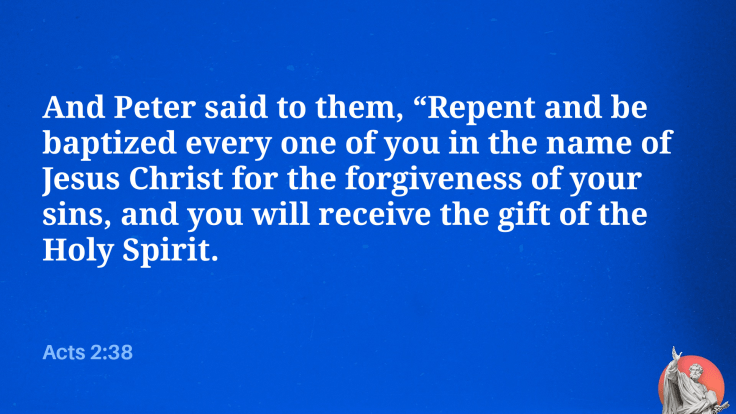
Here I must stress the importance and value of the gift of the indwelling Spirit, “Repent and be baptized every one of you in the name of Jesus Christ for the forgiveness of your sins, and you will receive the gift of the Holy Spirit,“ (Acts 2:38). He is a treasure waiting to be enjoyed, unfortunately a majority of Christians fail to appreciate this gift. They receive their justification and then retire to a state of spiritual apathy with no ambition for spiritual growth. They have received salvation as if it were an insurance policy and so there is no need for any further action. They are satisfied to remain as infants in the faith and then they don’t understand why they never outgrow the need for diapers. They have been given the gift of the Spirit, but they are even too irresponsible to remove the gift wrapping.
If there is only one thing that you take from this teaching, may it be the wonder of having the Spirit of God dwelling inside of you, directing and comforting you. The work of the indwelling Spirit moves the Christian through their spiritual growth process towards the righteousness of Christ. Here is just a short list of His works.
- The Spirit comforts by bringing the presence of Christ into our lives. The love and work of Christ brings peace and joy to our spirits.
- He inspires us toward spiritual growth as He teaches us through the illumination of God’s Word.
- He transforms us by continually pointing toward Christ as the model to follow.
- The Spirit is the helper who assists us as we struggle with the trials and tribulations of life. His presence reassures us that we are never alone and that we must follow His leading toward righteousness.
The Spirit of Truth and Illumination

The Spirit of Truth is the Holy Spirit who has been sent by Christ to guide believers into all truth. In His work of illumination, the Spirit brings God’s revelation to mankind, and He also reveals it to believers so that they can understand the deep things of God, “But as it is written: “Eye has not seen, nor ear heard, nor have entered into the heart of man, the things which God has prepared for those who love Him.” But God has revealed them to us through His Spirit. For the Spirit searches all things, yes, the deep things of God,” (1Cor, 2:9-10). The Holy Spirit is the author of Scripture as He worked through the human authors by His work of inspiration as He guided them in truth. The Spirit also works in the minds of believers in guiding them in all truth. The result of this illumination is that only believers who are indwelt by the Spirit of Truth are guided toward God’s truth and away from falsehoods, lies, and deceptions. The Kingdom of God has always been in conflict against the Kingdom of Satan, and deception is a favorite weapon of the enemy as Satan is known as the “father of lies.” In these current times deception is growing, and believers are warned to remain grounded in truth through the Spirit of Truth. Christians are also advised to be equipped through immersion in the teachings of God’s word. Then they can understand and embrace the Spirit of Truth who lives in them, as He “guides you into all the truth,” (John 16:13). This should be part of the spiritual growth process of every Christian.
Illumination
Fallen humans are by nature unable to understand the deep truths of Scripture due to their lack of spiritual discernment. Only after they have been justified and receive the indwelling Spirit are they able to receive the His assistance in understanding and interpreting Scripture–this is the Spirit’s work of illumination. He is able to open our spiritual eyes and hearts to the truths of God’s Word. This includes the following three aspects of the work of illumination in advancing God’s Kingdom.
- The Holy Spirit revealed God’s Word to the prophets, and apostles.
- The Holy Spirit interprets the truth of Scripture to believers.
- The Holy Spirit empowers Christians to communicate the truth of Scripture in witnessing to others.
This work of illumination works in balance with the other works of the Spirit in the lives of believers, so the overall goal is to guide the believer toward maturity. As the believer matures, he or she learns to become more dependent on the leading and guidance of the Holy Spirit. The believer will also grow to become more diligent in their study of God’s Word. Therefore, at times the believer may not be spiritually united with the Spirits leading because of unrepentant sin or dependance on emotional feelings which will interfere with the Spirits illumination, leading to inaccurate interpretation. Also, a lack of proper preparation as the Holy Spirit directs, will affect illumination. Obedience is part of the Christians duty to “live and walk” by the Spirit, which will be covered later in this teaching. In summary, “illumination is the Spirit’s work on the minds and hearts of believers that enables them not only to discern the truth but also to receive it welcome it, and apply it,” (Roy B. Zuck, in “The Holy Spirit in Your Teaching“).
False Illumination

“And even if our gospel is veiled, it is veiled to those who are perishing, in whose case the god of this world has blinded the minds of the unbelieving so that they might not see the light of the gospel of the glory of Christ, who is the image of God,” (2Cor. 4:3-4).
A full teaching on illumination is not complete without a section dedicated to the error of false illumination. This will answer the question as to why some Christian leaders or pastors, (who are actually false teachers), give such different Scripture interpretations which contradict clear church doctrines and teachings. For example, recently a host on a popular talk show said the following as she tried defending abortion against the protests of Spirit filled Christians, “I don’t know what bible these people are reading because there is nothing in it that opposes abortion.” Simply put, this host is not a believer and therefore does not possess the illumination of the Spirit by which to accurately interpret Scripture. As the verse above teaches, (2Cor. 4:3-4), the gospel is veiled to unbelievers because the god of this world, Satan, has blinded their minds from the light of the gospel. Preachers of the Prosperity Gospel, of apostate churches, and of the cults are included in this group. They are in rebellion against God because they teach another gospel, and are therefore condemned, “But even if we or an angel from heaven should preach a gospel other than the one we preached to you, let them be under God’s curse!” (Gal. 1:8). —Avoid these persons and their churches.
Our Responsibility to the Holy Spirit
“After accepting God’s gift of salvation, a believer is called to surrender himself or herself wholly to God, seeking the infilling of the empowering and sanctifying Holy Spirit.“
A.W. Tozer, “Life in the Spirit”
Believers rejoice with joy because they understand that they have received the gift of the indwelling Holy Spirit from Christ because they have been saved so they can now recline in their easy chair and let the Spirit to do all the work—not at all! First of all, we have a responsibility to the Holy Spirit as we work through our sanctification to mature and grow spiritually by the transformation of our minds. Secondly, we have been given a commission by our Lord to proclaim the Gospel to the world. This the purpose of the Spirit’s ministry, to grow us, to feed us spiritually, and to equip us for Kingdom work. Our responsibility begins with submission to the Spirit through His filling and His leading. Being in relationship with the Holy Spirit requires that we learn to live and walk by the Spirit.

Living by the Spirit
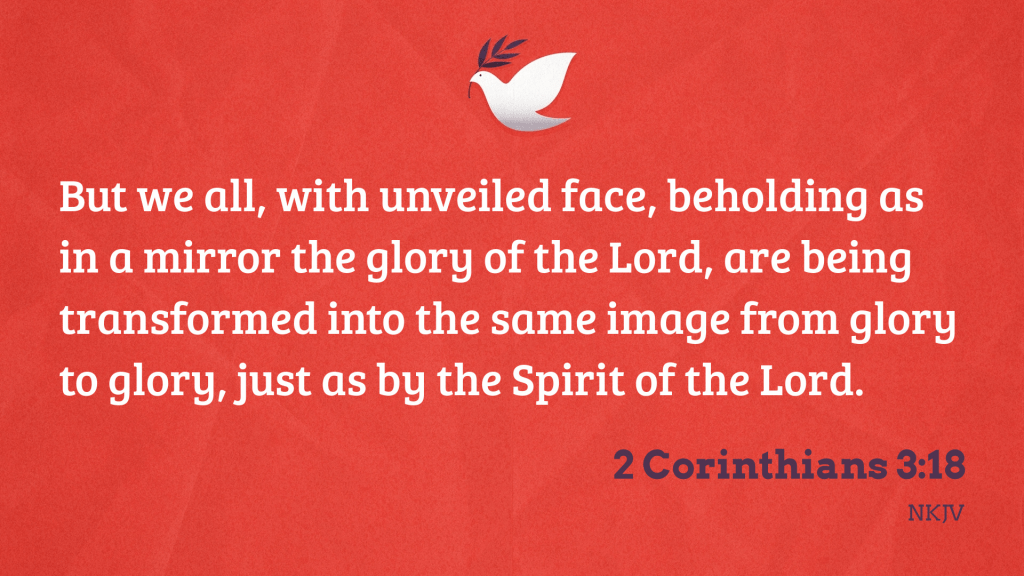
To live by the Spirit is to be dependent on Him for the ability to be gradually transformed more and more to the image of Christ, increasing in righteousness; “And we all, with unveiled face, beholding the glory of the Lord, are being transformed into the same image from one degree of glory to another. For this comes from the Lord who is the Spirit,” (2Cor, 3:18). Living by the Spirit and being dependent upon Him means to be under His control, which is necessary to have victory over sin and resistance against the power of temptation and the devil. We are in a constant battle against the world, the flesh, and the devil. Mankind without the power of God is weak against the temptations of the world and the flesh. This is why we must live by the Spirit and be dependent on Him as we work through our sanctification to resist and overcome our old sinful desires and grow toward righteous behavior through seeking the desires of the Spirit.
Walk by the Spirit
To walk by the Spirit is to walk in accordance with the direction and leading of the Holy Spirit. The Spirit’s work is to direct us to the work of Christ in which we received redemption and His righteousness. This belief is the primary focus of the Christian life which keeps us Christ centered and subject to Him as Lord, King, and Savior. The Spirit fosters our relationship to Christ and is always directing us toward Him for our example of holiness and righteousness. In conjunction with this the Spirit guides us toward the truths of Scripture and illuminates our understanding which is necessary for our growth in knowledge. Growing in wisdom and knowledge leads us to maturity in the faith. Despite our maturity and growth, our battle with sin will continue as long as we inhabit these bodies of flesh, and therefore the Spirit convicts us when in our weakness we yield to temptation. However, He continually leads us toward godly conduct and away from wickedness and the forces of evil.
The Leading and Filling of the Spirit
The work of the Holy Spirit in spiritual growth centers on two aspects; the leading of the Spirit, and the filling of the Spirit. To be led by the Spirit means that the believer resists their own inclination toward sin, but is guided by the Spirit toward righteousness by conforming to the will of God and obedience to His commandments. The filling of the Spirit is the believer’s submission to the power of the Spirit in the control of their life. As a Christian matures in the faith, they transfer more and more control over their life from the self over to the Spirit. The greater the Spirit controls the believer the more they resemble Christ. Briefly stated, the leading of the Spirit is to be guided by the Spirit; and the filling of the Spirit is submission to the control of the Spirit.
Fruits of the Spirit

If you have made it this far in the teaching of the Doctrine of the Spirit, then you are entitled to a reward. If you are Spirit filled and in Union with Christ through the Spirit, then your life will overflow with the blessings of the Fruits of the Spirit. You will enjoy a life filled with love, joy, peace, patience, kindness, goodness, faithfulness, gentleness, and self-control. The indwelling Holy Spirit is God living in us and through us. This is the wonder of the ministry of the Spirit, that God is dwelling in us day in and day out, every minute of the day and night. He strives with us in all of our hardships, and He struggles with us in our fallenness as He convicts us of sin and points us toward repentance. He also rejoices with us as we move from victory to victory toward righteousness. We are far from perfect, but the Holy Spirit is perfect, and He is with us forever as our counselor, comforter, and helper. May you cherish this gift that the Father and Son have given to you!
 Hosea 4:6 Teaching Ministry