
Introduction
This section of the Reading the Bible Series focuses on the Epistles of the New Testament. For those who are unfamiliar with the Bible or are just beginning their study of the Scriptures, a brief background introduction is necessary. The Bible is divided into two parts, the Old Testament and the New Testament. The Old Testament consists of 39 books documenting biblical history from “creation” to the ministry of the prophet Malachi, which was 400 years before Christ. The New Testament begins with the birth of Christ and ends with the book of Revelation, which consists of the end-times prophecy written by the Apostle John, and it is composed of 27 books written by 9 different authors, including the author of Hebrews whose identity remains uncertain. The Epistles comprise the largest group with 21 books, followed by the Gospels with 4 books, and then the 2 other books (Acts and Revelation), for a total of 27 books. These books testify to the good news of salvation through Christ and His teachings.
As you read through the New Testament, remember that the Bible is a complete unit which includes both the Old and New Testaments. The New Testament can be best understood as the second part of a two-part series which gives new revelation from God which was given by Christ, the Son of God. Understand the New Testament as the continuation and completion of the Old Testament, therefore read it in that context so that you understand it in the sense that it was written. As you read it, consider that it was written to the people of 1st century Israel, but the truths of the gospel as inspired by the Holy Spirit also apply to all persons and in all times.
The New Testament books are grouped into the categories of Gospels, Epistles, and the books of Acts and Revelation, which are separate categories. The Gospels document the birth, life, and earthly ministry of Christ. The book of Acts functions as a link between the period of the Gospels and the writing of the Epistles. The book of Acts is classified as historical narrative as it documents the events following the death of Christ and the establishment of the Church. The Epistles are the letters of Christ’s apostles and followers to the members of the newly formed Church which explain the meaning of the ministry of Christ and His teachings. For beginning students reading the New Testament, they can better understand the categories in the following manner–The Gospels tell the story of Christ, the book of Acts gives the account of the events following the death of Christ, the Epistles explain the meaning of Christ’s life, death, and resurrection, and the book of Revelation is the conclusion which gives future prophecy for the end-times.
Epistles

“The elder to the beloved Gaius, whom I love in truth. Beloved, I pray that in all respects you may prosper and be in good health, just as your soul prospers. For I was very glad when brethren came and testified to your truth, that is, how you are walking in truth. I have no greater joy than this, to hear of my children walking in the truth. Beloved, you are acting faithfully in whatever you accomplish for the brethren, and especially when they are strangers; and they have testified to your love before the church. You will do well to send them on their way in a manner worthy of God.” (3John 1-6)
Fundamentally, the Epistles are letters that were a written form of communication between the early Church leaders and the new churches. The Epistle differs from a personal letter because it was meant to be read in public, and was written for a group of people. The Epistles often contained personal greetings and notifications, but the majority of the content is intended for teaching and encouragement. The example shown above, (3John 1-6), demonstrates the personal aspect of an Epistle as John expresses his concern for the welfare of the letter recipient and for the rest of the brethren. Following the death of Christ, the early church began its development and growth. The responsibility for the leadership and instruction of the Church fell to the apostles and the Church leaders appointed by Christ. With this divine appointment, the Apostles and Church leaders possessed a special authority over the Church. They quickly began expanding the new-born Church through missionary journeys, and by the preaching of the Gospel. As new churches were established and leaders were selected to oversee them, there was a need to maintain communication with these churches to direct the proper teaching of doctrine in them–This need was met by the use of the Epistle. The Apostle Paul is the best example of how the Epistles were used to direct the growing church through his letters. They displayed his concern for the church, encouragement for the members, and instruction in proper doctrine as taught by Christ. For a better understanding, the below definition by the theologian Louis Berkhof is provided.
Epistles– the letters which the apostles, under the promptings of inspiration, wrote to churches and individuals, and which are included in the Canon of the New Testament Scriptures. Although they were primarily designed for rebuke, instruction, guidance, and encouragement of those to whom they were addressed, they yet are adapted to all churches and Christians through all time. They are especially rich in the statement of doctrine and the outline of duty.
Berkhof, L. (1915). New Testament Introduction
The primary purpose of the Epistles is to pass on the teachings that the apostles received from Jesus and to make sure that these truths were taught to all members of the Church and preserved for all future generations. These letters have been officially recognized by the Church as authoritative and divinely inspired by the Holy Spirit for the Church to obey and to teach. The Epistles have a dominant role in the New Testament, because they are rich in the theology of the faith. They include teachings on church operations, Christian conduct, and the doctrines that set the boundaries for what the Church believes. The Epistles of Paul are specifically focused on doctrines such as; salvation, justification, sanctification, and faith. The authors of the Epistles took the teachings that they were given by Jesus and presented them with greater explanation and direction. The teachings of Jesus were preserved in written form and gathered together in these authoritative texts for the education of the Church. These authoritative letters of the apostles including James, and Jude, (the brothers of Jesus), which ascended to the level of Scripture as determined by the Holy Spirit, were read and shared by the various churches throughout the regions of the early missionary era, “After this letter has been read at your gathering, have it read also in the church of the Laodiceans; and see that you also read the letter from Laodicea,” (Col. 4:16). They were gathered together, copied, and were considered as Scripture even before the time of the Church councils which later determined the official Canon of Scripture.
In addition to teaching proper doctrine, the Epistles gave instruction on applying the doctrines to the life of the believer. This is comparable to the work of a church pastor where his sermons teach the doctrines of the faith, and he then applies them to the lives of his congregation so that they can live rightly according to the Scriptures. The Epistles function as a guidebook for the shepherd of each flock for saving the lost and for directing their spiritual growth, “Finally then, brethren, we request and exhort you in the Lord Jesus, that as you received from us instruction as to how you ought to walk and please God (just as you actually do walk), that you excel still more. For you know what commandments we gave you by the authority of the Lord Jesus,” (1Thes. 4:1-2).
Pauline, Pastoral, and General Epistles
The Epistles of the Bible are divided into two classes, the Pauline Epistles and the General Epistles. The letters of Paul comprise the largest class with thirteen. The General Epistles include the letters of James and Jude, (the brothers of Jesus), the Apostle John, the Apostle Peter, and Hebrews for a total of eight. The Pauline Epistles are further divided between the letters to the churches, and the letters to individuals, (Timothy, Titus, and Philemon). The letters to Timothy and Titus are referred to as the Pastoral Epistles because they provide instructions for the pastoral duties and operations of a church.
| Pauline Epistles | General Epistles |
| Romans | James |
| 1st & 2nd Corinthians | 1st & 2nd Peter |
| Galatians | 1st, 2nd, & 3rd John |
| Ephesians | Jude |
| Philippians | Hebrews |
| Colossians | |
| 1st & 2nd Thessalonians | |
| 1st & 2nd Timothy | |
| Titus | |
| Philemon |
Closing Thoughts

The Scriptures are filled with life transforming wisdom and Godly instruction on how to best live life in this world. Christ came into the world to redeem the sinner from the penalty of death and to reveal His love for those that are His through His suffering and death on the cross; “But when the kindness of God our Savior and His love for mankind appeared, He saved us, not on the basis of deeds which we have done in righteousness, but according to His mercy, by the washing of regeneration and renewing by the Holy Spirit, whom He poured out upon us richly through Jesus Christ our Savior,” (Titus 3:4-6). This verse of Scripture is from Paul’s Epistle to Titus. This is an example of the richness of the instructions found in the Epistles of the New Testament. The authors of the Epistles were inspired by the Holy Spirit to explain and expand on the teachings of Christ for all of the generations of mankind. These Epistles have been preserved in the pages of God’s Word for our edification and encouragement. Let us thank and glorify God by reading the words that He has bestowed upon us through His Holy Spirit!
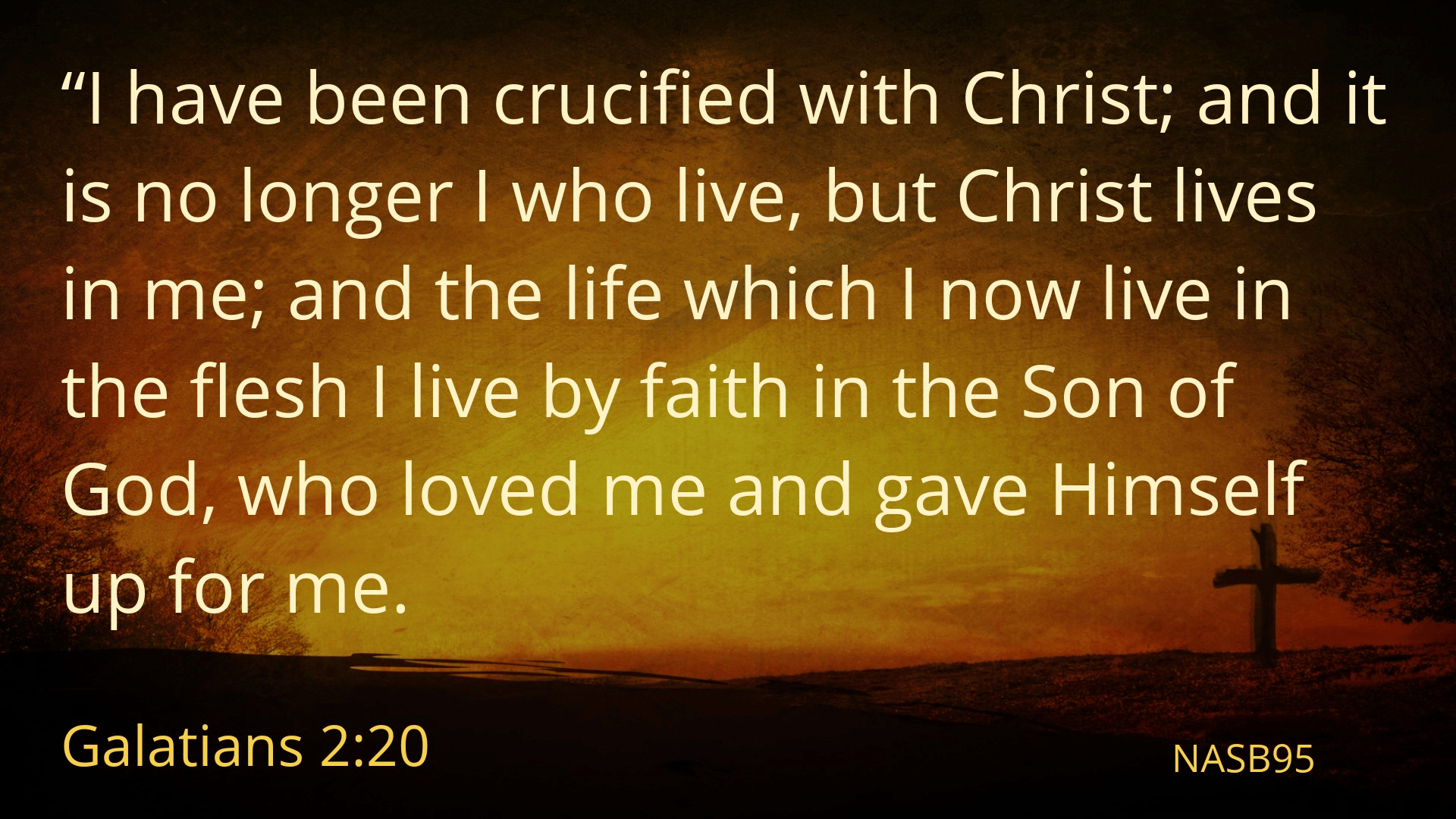
Verses from the Epistles to Meditate On


Leave a Reply